


When a consumer purchases high-quality imported beef at a local supermarket, receives fresh chilled produce from an online grocer, or accesses temperature-sensitive biopharmaceuticals at a hospital, they are interacting with the final link of a complex global journey. They expect the product to be safe, fresh, and chemically stable. To the end consumer, the preservation of perishable goods is treated as a basic standard of modern retail convenience.
However, behind every temperature-regulated product lies one of the most technologically demanding, unforgiving industrial sectors in the world: the modern cold chain. Unlike standard dry storage warehousing, temperature-controlled logistics operates in a world of absolute metrics and zero tolerance for failure. A temporary system shutdown or a brief lapse in thermal integrity doesn’t just mean a minor delay—it results in catastrophic product spoilage, severe economic loss, and immediate threat to public safety.
As urban populations expand and food safety standards become increasingly stringent across developing economic zones, traditional refrigeration methods are no longer sufficient. For logistics providers, agricultural distributors, and enterprise food networks, maintaining market dominance relies entirely on advanced thermal thermodynamics, automated inventory management, and continuous, data-driven cold-chain infrastructure.
1. The Thermal Battlefield: Cold Chain Logistics as a Technical Grid
To truly understand the mechanical complexity of temperature-controlled logistics, one must view a modern facility through the lens of continuous thermodynamic management. A high-capacity cold storage plant is a massive engineering system designed to combat environmental heat infiltration 24 hours a day, 7 days a week.
These industrial spaces are divided into highly specialized thermal zones, typically categorized into:
- Chilled Storage Environments: Maintained strictly between 0°C and 5°C, optimized for fresh meat products, dairy, and farm-fresh produce.
- Frozen Chambers: Anchored at -18°C to -25°C or lower, essential for long-term storage of seafood, processed proteins, and industrial food supplies.
- Blast Freezing Zones: Ultra-low temperature sections utilizing high-velocity air circulation to freeze fresh stock solid within a matter of hours, preserving biological cell structures perfectly.
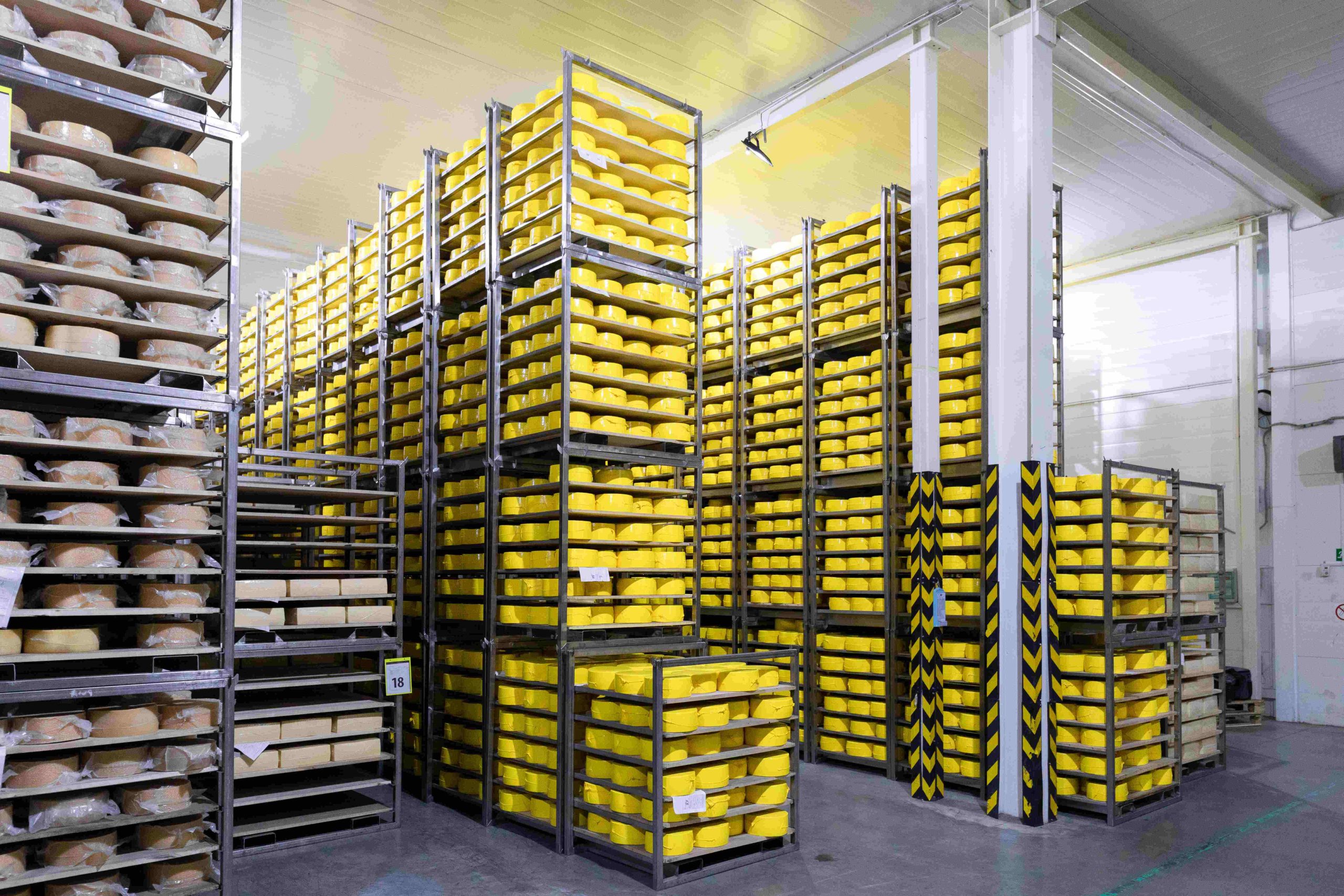
Engineering these massive, sub-zero facilities requires highly specialized structural components. Floors must be built over automated sub-floor ventilation networks to prevent the earth beneath the building from freezing and causing devastating foundation cracks. Wall configurations utilize high-density polyurethane sandwich panels wrapped in structural steel framing to eliminate thermal bridging and cut commercial electricity draw.
2. Securing the Supply Chain: Cold Chain Infrastructure in Emerging Markets
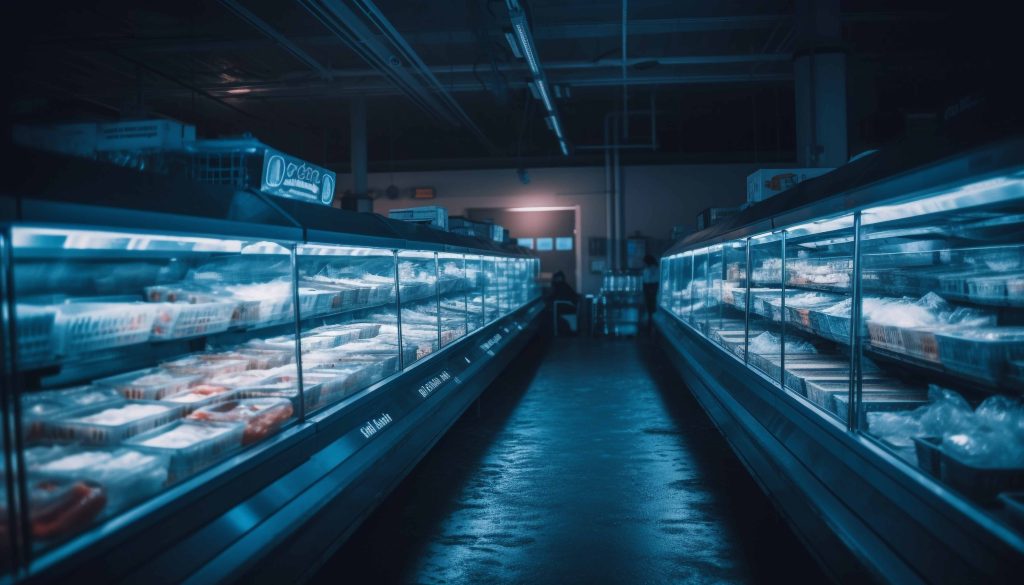
Managing complex cold logistics introduces unique operational challenges, especially across developing economic trade regions such as Southeast Asia. Fragmented infrastructure, intense tropical climates, and congested transit paths require warehousing networks to act as highly strategic distribution hubs capable of maintaining an unbroken cold chain from international port arrivals straight to local retail shelves.
For agricultural producers, import-export groups, and enterprise food businesses looking to establish a secure, reliable supply line, choosing an experienced infrastructure operator is a critical strategic decision. Utilizing a state-of-the-art facility like suri nusantara cold storage provides corporate clients with world-class, international-standard cold storage solutions, featuring multiple chilled and frozen chambers, high-density racking configurations, and large-scale distribution center capabilities across crucial logistical economic lines.
When an enterprise leverages a specialized cold hub backed by decades of import and food manufacturing experience, they eliminate the variables that threaten cargo survival. Advanced docking stations use inflatable air-skirt door seals to ensure that when a refrigerated truck backs up to unload, the sensitive inventory transitions from the vehicle to the frozen warehouse room without ever being exposed to external tropical humidity or ambient heat.
3. The Tech Grid: Industrial IoT Sensors and Automated Thermal Telemetry
Beyond the physical thickness of insulated panels and industrial compressors, the modern cold chain is heavily powered by deep-tech software networks. Modern regulatory compliance demands absolute proof that a food or pharmaceutical asset remained within its specified thermal parameters throughout its entire storage lifecycle.
To achieve this, advanced facilities embed specialized Internet of Things (IoT) sensors throughout their storage racks and transport fleets. These wireless telemetry systems:
- Provide Continuous Environmental Logging: Documenting real-time temperature and humidity metrics every single minute, streaming data points directly to secure cloud databases.
- Execute Algorithmic Defrost Routines: Utilizing intelligent software to clear ice buildup from evaporator coils during low-activity windows, preventing temperature spikes inside the active chambers.
- Trigger Instant Predictive Alerts: Generating automated SMS, voice, and push notifications to operational teams if an industrial compressor begins to draw anomalous currents or a chamber door remains unsealed past a designated safety limit.
By converting mechanical refrigeration into an automated, highly visible data stream, storage networks ensure flawless regulatory auditing while giving corporate clients full transparency over the safety of their valuable inventory.
4. Maximizing HVAC Performance and Smart Industrial Energy Conservation
One of the largest operational challenges facing any industrial cold storage facility is the massive financial weight of electricity consumption. Running multiple multi-megawatt refrigeration systems continuously requires vast amounts of energy, making the business highly vulnerable to power market fluctuations.
To mitigate these heavy overhead costs, cold storage engineers deploy variable-frequency drives (VFDs) on all major compressor motors and condenser fans. Rather than operating at a simplistic, energy-wasting “on or off” binary capacity, these intelligent systems modulate their power draw dynamically in real-time, matching their energy output perfectly with the thermal load inside the rooms.
Additionally, facilities capture and recycle waste heat rejected by the primary refrigeration compressors. This repurposed thermal energy is redirected into under-floor heating arrays to protect against frost heave, or funneled into facility sanitation networks to heat water for heavy equipment cleaning. This integrated engineering directly optimizes the venue’s bottom-line profitability while lowering the carbon footprint of the entire logistics loop.
5. Bridging Operational Infrastructure with Modern Corporate Reach
For supply chain directors, agricultural innovators, and enterprise logistics planners, launching a regional supply network or coordinating multi-tier food distribution channels can quickly become overwhelming. It requires navigating strict health board certifications, managing international customs clearances, and overseeing complex transport fleets simultaneously.
When mapping out these long-term corporate growth pathways, analyzing structured digital marketing programs education provides business leaders with a systematic framework for aligning physical operational capacity with high-visibility market demand channels. Understanding how organic visibility and technical b2b positioning interact ensures that a premier logistics facility is backed by a highly active enterprise client pipeline.
When coordinating complex infrastructure timelines, negotiating shipping agreements, or launching new distribution hubs, execution blocks frequently stall momentum. Reviewing practical strategies on how to stop procrastinating helps project managers maintain tight construction cadences, optimize vendor communication loops, and hit critical system launch dates without costly operational delays.
6. The Horizon: Automation and Autonomous Cold Chain Systems
Looking out toward the future of industrial logistics, the integration of automation will continue to reshape the cold storage industry. The next primary frontier is the deployment of Automated Storage and Retrieval Systems (ASRS) operating inside completely dark, sub-zero environments.
By utilizing high-speed robotic cranes and automated track shuttles to move pallets, these systems eliminate the need for human forklift operators to work inside freezing rooms for extended shifts. Furthermore, because robotic systems do not require active aisle lighting or wide doorways for navigation, automated warehouses can be designed with extreme space efficiency, drastically reducing the total cubic volume that requires active cooling.
Conclusively, a successful global economy requires an incredibly strong physical and technical foundation. The seamless access to fresh, healthy, and safe products that modern society relies on is fully enabled by the precision engineering, data tracking, and cold-chain technology operating relentlessly behind the scenes. By merging cutting-edge thermal management with smart automated software, cold chain operators can confidently navigate shifting economic demands and build a highly resilient, food-secure future. For more deep breakdowns on tech networks, operational strategies, and business execution, follow along at Genecigs Corporate.