

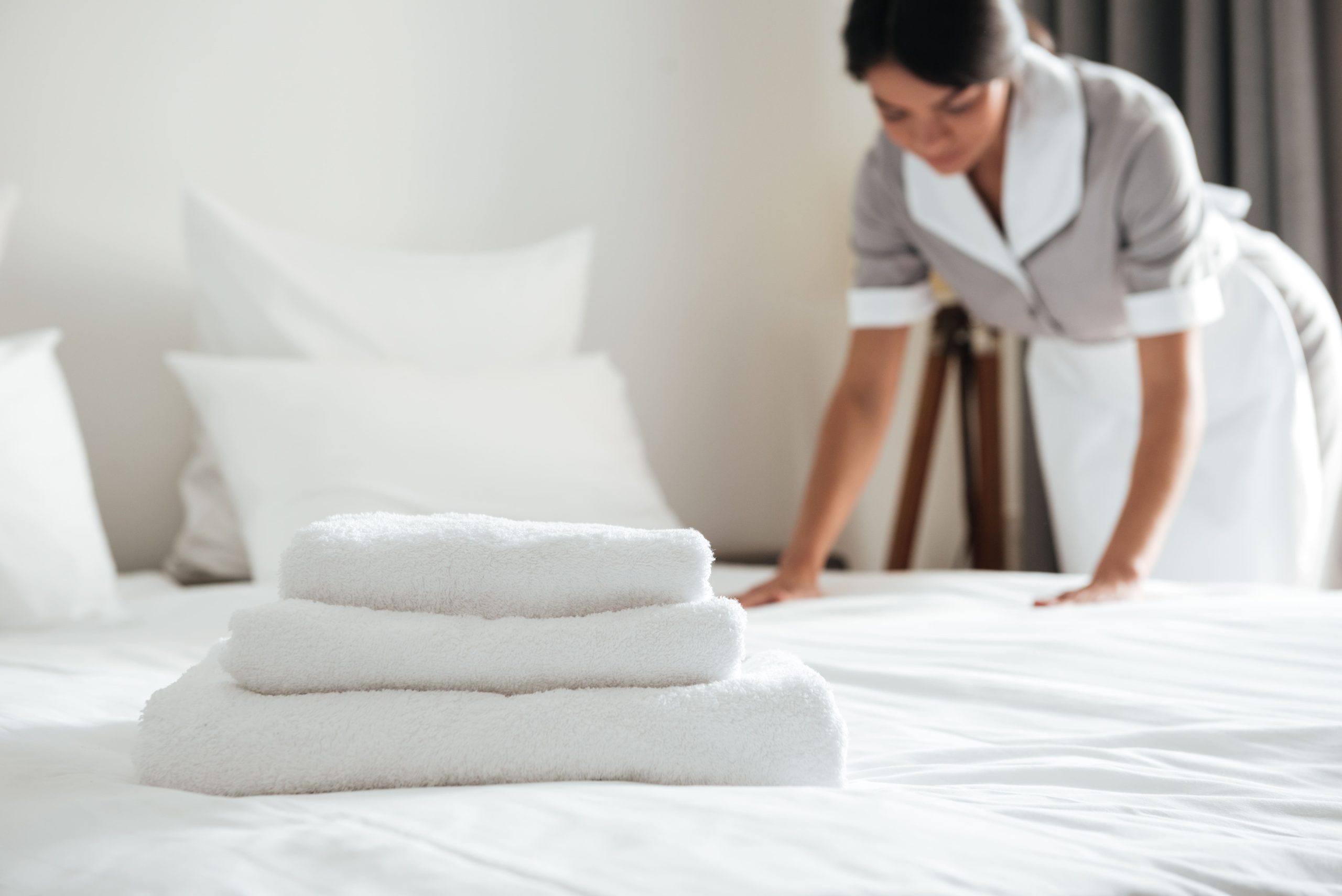
When a luxury resort manager inspects a fresh stack of crisp hotel linens, an international tourist picks up a perfectly pressed suit from a hotel concierge, or a wellness spa manager organizes clean cotton towels for the daily guest rotation, they are interacting with a high-performance system. To a casual traveler, getting laundry done during a vacation seems like a minor, domestic task—a simple matter of throwing clothes into a standard washer, adding some soap, and waiting for a spin cycle to finish.
However, behind professional textile cleaning lies a highly technical world of chemical engineering, mechanical thermodynamics, and strict workflow logistics. Unlike residential washers built for small, slow loads and basic fabrics, commercial laundry services function as highly precise industrial processing lines. A single mistake in water pH levels, an uncalibrated thermal dryer profile, or a breakdown in delivery routing can instantly ruin expensive guest garments, stall resort operations, and impact a hospitality brand’s customer satisfaction scores.
As international travel picks up and eco-conscious travelers demand sustainable corporate practices, tourism businesses can no longer rely on unvetted, slow laundry options. For premium boutique hotels, high-end villas, and smart travelers, maintaining pristine wardrobes and fresh linens relies on advanced fabric science, automated tracking systems, and efficient on-demand delivery networks.
1. The Physics and Chemistry of Enterprise Garment Care
To understand how a commercial laundry operation functions at a high level, you have to treat fabric care as a balance of material science and chemical engineering. Washing high volumes of delicate travel clothing, designer linens, and heavily soiled spa towels requires a deep understanding of water chemistry and machine mechanics.
An industrial textile facility coordinates four critical cleaning factors, known technically as Sinner’s Circle:
- The Chemical Solution Matrix: Using biodegradable, target-specific enzymes and pH-balanced detergents that break down organic stains, grease, and sweat without weakening delicate fabric fibers.
- The Thermal Dynamics Profile: Programming precise temperature paths for different materials, ensuring silk and wool stay cool to avoid shrinkage while commercial linens get hot enough to meet health sanitization rules.
- The Mechanical Extraction G-Force: Operating heavy-duty, industrial front-load washers that use specific drum patterns and high-velocity spinning to extract water efficiently, cutting down on dryer time.
- The Time-Duration Variable: Tuning wash cycles perfectly to give cleaning formulas enough time to lift dirt from fabrics without causing premature surface wear.
Engineering these high-volume laundry lines requires strict attention to detail. Hard water can cause mineral buildup inside fabric weave patterns, turning soft white towels grey and stiff over time. Because of this, advanced facilities use multi-stage water softening arrays to strip out excess calcium and magnesium, ensuring every wash cycle delivers soft, bright results.
2. Advanced Tourism Logistics: Streamlining On-Demand Guest Services
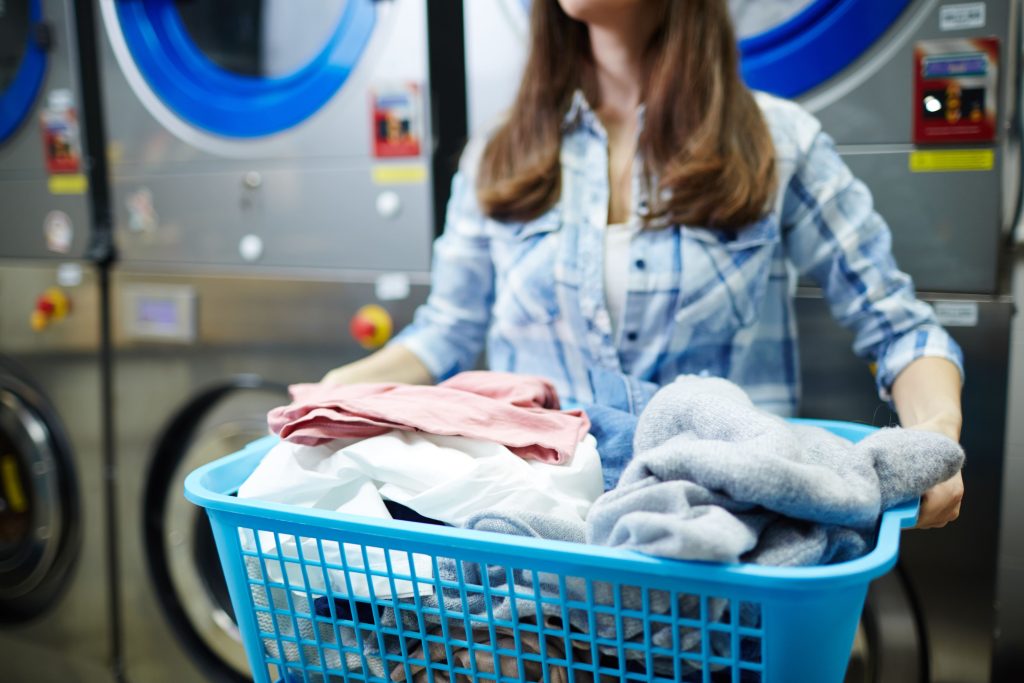
While mastering wash chemistry keeps clothes looking new, the biggest hurdle for travelers and resort teams is managing time and logistics. Trying to handle laundry needs while exploring a busy travel destination can easily disrupt a vacation schedule, leading to lost garments or missed flights due to slow return times.
For international travelers, busy digital nomads, and luxury villa hosts looking to streamline their apparel care, access fast turnaround options, and ensure their premium garments are handled safely, working with a dedicated provider is an absolute game-changer. Partnering with a specialized team like bali express laundry service grants users direct access to premium guest laundry packages, high-speed commercial linen washing, professional dry cleaning, delicate hand-wash treatments, and reliable on-demand pickup and delivery services across major resort areas.
When a visitor or hotel team uses an elite fabric care service, they get a seamless hospitality experience. Instead of spending precious vacation hours hunting for local laundromats or waiting around for basic machines to finish, laundry is picked up directly from a hotel lobby or private villa gate and returned fresh, folded, and completely spotless within tight holiday timelines.
3. The Digital Grid: Real-Time Bag Tracking and Eco-Friendly Water Systems
Beyond massive stainless steel washers and professional steam irons, the modern commercial garment care industry uses smart digital systems to stay efficient. Modern luxury service demands complete transparency, meaning high-volume providers use advanced tracking tech to ensure mixed guest bags are processed with zero mix-ups.
To ensure perfect accuracy, modern textile plants integrate smart organization systems across their workflows:
- Barcode Tracking Links: Scanning individual guest laundry bags at pickup to connect every item directly to a digital profile, ensuring zero mix-ups during sorting.
- Precision Weight and Cycle Monitoring: Balancing machine drum loads electronically to save water and avoid mechanical strain.
- Smart Water Reclamation Loops: Re-routing clean rinse water from final cycles back into initial wash phases for the next batch, cutting overall facility water use by up to 40%.
By combining heavy-duty machines with smart digital workflows, commercial laundry networks protect delicate clothing items while protecting local water resources.
4. Protecting Fine Textiles and Maintaining Fabric Longevity
One of the main causes of fabric damage in commercial settings is over-drying clothes at high heat. Because fast-paced operations are often in a rush to fold and pack laundry, unvetted operators often turn dryer temperatures up too high, which bakes delicate natural fibers, breaks down elastic bands, and causes colors to fade prematurely.
To prevent this fabric wear, professional garment technicians use smart moisture sensors inside commercial tumble dryers. These sensors measure the humidity inside the drum constantly, automatically stopping the hot air cycle the moment the clothes hit an optimal, safe moisture level.
Taking careful care of the final finishing stages is just as vital. Using high-end steam irons and vacuum pressing tables allows technicians to smooth out deep wrinkles without crushing delicate fabric weaves. This keeps cottons breathable, helps linens retain their natural texture, and leaves silks looking smooth and glossy, giving travel clothes that premium, freshly tailored look.
5. Integrating Premium Services with Modern Business Strategies
For tourism operators, resort directors, and hospitality marketing teams, setting up high-quality guest amenities or organizing reliable linen solutions can feel like a complicated logistical puzzle. It requires coordinating pickup times, maintaining high quality standards, and aligning your local marketing campaigns all at once.
When planning these long-term business growth paths, analyzing structured digital marketing programs education provides business leaders with a proven framework for connecting high-quality physical services with online travel search platforms. Learning how targeted local SEO, optimized landing pages, and search engine visibility work together ensures that your premium hospitality service is easily discovered by incoming international travelers looking for trusted care.
When organizing new service rollouts, handling large corporate vendor contracts, or setting up delivery route schedules, team bottlenecks can easily stall operational progress. Reviewing practical insights on how to stop procrastinating allows business managers to keep project phases moving forward, improve communication between internal teams, and hit critical deadlines without facing expensive operational delays.
6. The Horizon: AI Stain Analysis and Fully Automated Textile Networks
Looking ahead at the future of the global fabric care industry, the smart integration of optical artificial intelligence and automated folding systems will continue to transform commercial laundries. The next major shift is the introduction of AI-powered stain scanning cameras.
These smart camera systems inspect garments under specialized light waves before they go into the wash. The AI identifies whether a mark is oil-based, red wine, or simple dirt, and instantly dispenses a customized pre-treatment formula onto that exact spot. Furthermore, future commercial textile hubs will feature automated sorting networks that read hidden RFID tags sewn into hotel sheets, automatically separating towels from pillowcases and guiding them to specialized folding machines. This seamless blend of heavy mechanical power, smart chemistry, and automated tracking allows premium laundry networks to reduce fabric waste, handle labor challenges, and deliver perfect results for travelers worldwide.
In conclusion, a successful hospitality and travel economy relies on strong operational and technical foundations. The crisp sheets, fresh vacation clothes, and rapid turnaround times that modern travelers expect are fully driven by the advanced machinery, water science, and smart logistics running behind the scenes. By matching great service with reliable infrastructure, travel businesses can confidently handle shifting vacation trends and build a highly successful corporate future. For more deep breakdowns on tech networks, operational strategies, and business execution, follow along at Genecigs Corporate.