


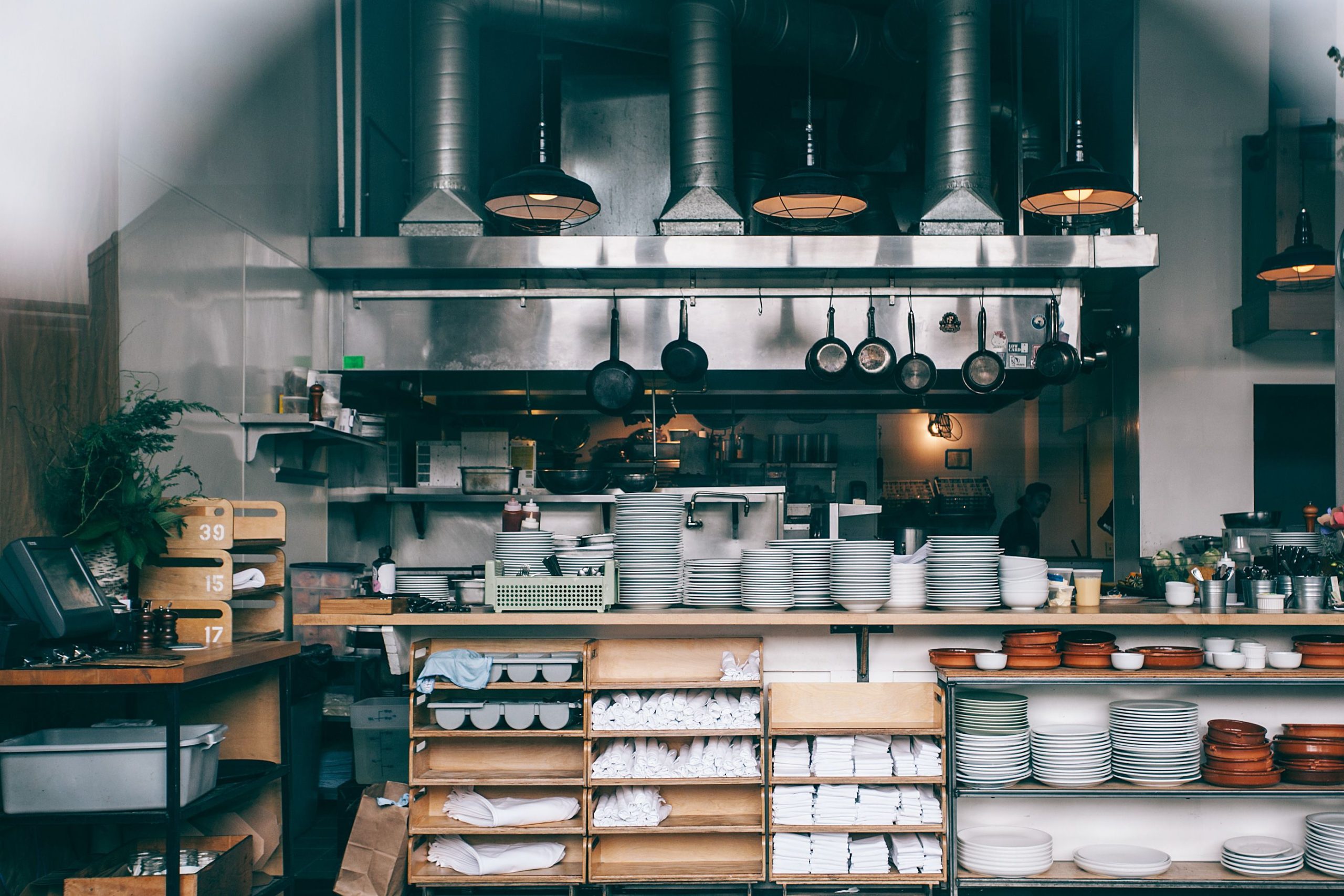
When an executive chef coordinates a busy dinner service, a restaurant owner reviews hourly table-turn metrics, or a catering director manages a large-scale banquet facility, they are interacting with one of the most intense operational layouts in modern business. To a casual diner, a restaurant kitchen seems like a place of pure culinary creativity—a blend of fresh ingredients, high heat, and artistic presentation.
However, behind the plates sliding out of the pass lies a technical world of thermodynamic engineering, strict health compliance, and industrial spatial logistics. Unlike residential food spaces built for low-frequency use and visual appeal, a commercial kitchen functions as an industrial production line. A single breakdown in a multi-door walk-in chiller, an uncalibrated combi-oven fan, or a poorly planned workflow bottleneck can instantly stall operations, ruin expensive food inventory, and slash a venue’s net profit margins.
As operating costs rise and food safety authorities implement tighter automated sanitation checks, food businesses can no longer survive with outdated, domestic-grade appliances. For successful restaurant chains, boutique cafes, and industrial catering teams, building a profitable food business relies on advanced stainless steel design, exact temperature controls, and highly efficient workflow layouts.
1. The Engineering of a High-Output Commercial Food Space
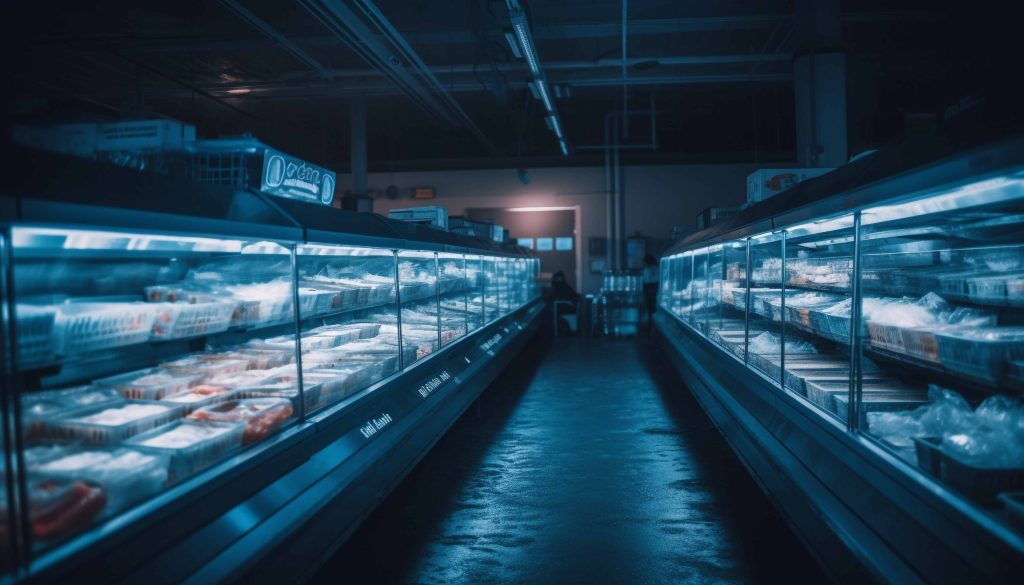
To understand how heavy-duty food service hardware keeps a business profitable, you have to look at a commercial kitchen as a live production line. Turning raw ingredients into high-quality meals consistently under tight time constraints requires a smart mix of specialized, durable appliances.
An enterprise kitchen infrastructure coordinates four distinct operational zones:
- The Cold Chain Preservation Zone: Utilizing high-capacity blast chillers and digital multi-split refrigeration networks to keep fresh food at precise, safe temperatures.
- The High-Performance Thermal Line: Integrating programmable combi-ovens, heavy-duty induction ranges, and rapid-recovery deep fryers that hold exact cooking temperatures even during peak rush hours.
- The Ergonomic Stainless Steel Grid: Custom-building prep benches, pass-through storage units, and overhead gantries to minimize steps and keep chefs moving smoothly.
- The High-Velocity Sanitation Station: Deploying automated pass-through commercial dishwashers that use high-temperature rinse cycles to sanitize plates in under sixty seconds.
Building these heavy-duty cooking lines requires extreme mechanical precision. Ventilation canopies and exhaust hoods must be calculated precisely to clear steam, grease, and heat efficiently without driving up building utility costs. Furthermore, every single surface must be constructed from marine-grade 304 stainless steel to handle acidic food juices, heavy impacts, and frequent sanitizing scrubs without corroding.
2. Advanced Hospitality Design: Building Scalable and Profitable Fit-Outs
While choosing high-quality cooking equipment is vital, long-term restaurant success is largely decided during the initial layout and architectural planning phase. Attempting to fit high-output commercial hardware into an unoptimized floor plan is a common error that leads to slow ticket times, stressed kitchen staff, and high breakages.
For hospitality groups, expanding franchise brands, and independent cafe owners looking to optimize food preparation spaces, lower utility costs, and guarantee full regulatory approval, investing in commercial-grade gear is an absolute necessity. Partnering with a comprehensive equipment specialist like petra equipment gives business operators direct access to premium commercial kitchen supplies, complete restaurant fit-out design, heavy-duty catering hardware, custom stainless steel manufacturing, and expert hospitality financing structures across Australian commercial markets.
When a food brand collaborates with an experienced hospitality supplier, they look beyond the price tag of individual appliances. Instead, they engineer a complete culinary ecosystem, balancing the electrical load across the main fuse boards, positioning refrigeration compressors away from high-heat cooklines, and choosing durable equipment that meets strict local safety and health requirements.
3. The Thermodynamic Grid: Smart Sensors and Energy-Efficient Cooling
Beyond heavy iron burner grates and massive stainless steel tables, the modern food service industry relies heavily on digital automation. Modern operating compliance requires food businesses to track precise temperature storage records, making old-school manual clipboards a liability during official food safety inspections.
To ensure compliance and protect valuable food inventory, modern commercial kitchens integrate smart electronic tracking tools within their refrigeration loops. These smart systems:
- Provide Automated Temperature Logging: Monitoring walk-in coolrooms 24/7 and sending instant mobile alerts to facility managers if a door is left unlatched.
- Deploy Smart Demand Ventilation: Using specialized optical sensors inside exhaust hoods to adjust fan speeds automatically based on actual smoke levels, cutting power costs.
- Utilize Hydrocarbon Refrigerants: Upgrading old cooling units to eco-friendly systems that cool faster while lowering daily electricity draw.
By upgrading from old, unmonitored equipment to smart, connected appliances, food venue operators protect their stock value and lower their daily overhead costs.
4. Maximizing Preventive Kitchen Care and Equipment Longevity
One of the most common causes of high repair bills in restaurants is neglecting simple, preventive appliance maintenance. Because commercial kitchens run at a frantic pace for hours on end, kitchen teams often forget that heavy combi-ovens, fryers, and dishwashers are heavy-duty machines that require regular, structured care.
To prevent sudden breakdowns during busy weekend shifts, hospitality operators should stick to a strict cleaning and maintenance routine. This includes clearing refrigeration condenser coils of airborne grease, running regular descaling cycles on steam equipment, and testing the calibration of digital oven probes.
Taking proactive care of water filtration systems is equally important. Hard mains water can cause rapid limescale buildup inside expensive combi-ovens and commercial dishwashers, clogging internal water lines and burning out heating elements. Installing high-capacity water softeners and replacing filter cartridges on schedule keeps equipment running reliably, lowers energy use, and prevents unexpected emergency repair fees.
5. Integrating Hospitality Systems with Modern Marketing Strategies
For hospitality directors, restaurant operations managers, and culinary marketing teams, launching a new venue or updating an old kitchen can feel like a massive puzzle. It requires coordinating equipment deliveries, managing building contractors, and aligning your launch marketing all at once.
When mapping out these long-term business growth plans, studying structured digital marketing programs education provides business leaders with a proven framework for connecting live hospitality experiences with online customer acquisition engines. Learning how high-converting landing pages, search engine optimization, and local digital presence work together ensures that your investment in a high-end kitchen is supported by a steady stream of dining customers.
When organizing restaurant openings, finalizing vendor contracts, or arranging heavy equipment deliveries, project delays can easily sap your team’s momentum. Reviewing practical advice on how to stop procrastinating allows venue managers to keep project phases moving smoothly, improve communication between front-of-house and back-of-house teams, and hit your grand opening deadlines without facing expensive venue rent delays.
6. The Horizon: Predictive AI Cooking and Autonomous Kitchen Networks
Looking ahead at the future of the global hospitality industry, the smart integration of predictive data engines and automated cooking tech will continue to reshape commercial food spaces. The next major shift is the widespread adoption of AI-driven kitchen networks.
These next-gen systems will not just cook food based on simple timers. They will monitor actual dining room orders in real time, communicate directly with prep line monitors, and automatically adjust oven climates to ensure different dishes finish cooking at the exact same moment. Furthermore, future commercial kitchens will feature automated smart inventories that link directly to vendor networks. Your coolroom will track ingredient weights automatically, placing restocking orders with trusted suppliers the moment inventory drops below a set level. This seamless blend of heavy stainless steel engineering, smart software, and expert design allows hospitality operators to reduce food waste, handle labor challenges, and focus on delivering excellent dining experiences.
In conclusion, a profitable hospitality business requires a resilient structural, physical, and operational foundation. The rapid ticket times, consistent food quality, and perfect sanitation that modern diners expect are fully enabled by the advanced layouts, durable materials, and professional kitchen systems running behind the scenes. By matching creative menus with high-performance kitchen infrastructure, venue owners can confidently handle changing market trends and build a highly profitable culinary future. For more deep breakdowns on tech networks, operational strategies, and business execution, follow along at Genecigs Corporate.