


The historical concept of taking a holiday was once simple: travelers packed a suitcase, disconnected from their office routines for a week, and checked into a generic beachfront resort. For decades, the hospitality sector thrived on a model of high environmental consumption and absolute digital detachment. Success was measured by the size of the concrete swimming pool and the abundance of disposable plastic amenities.
However, a profound structural shift is altering the global travel landscape. Modern travelers are no longer just looking for a temporary escape—they are searching for lifestyle alignment, holistic health, and environmental responsibility. This evolution has birthed a rapidly growing sector: eco-wellness tourism. The contemporary wellness resort has evolved past basic accommodation; it has become an intricate, highly engineered ecosystem where sustainable architecture, waste-reduction technology, and modern digital infrastructure coexist seamlessly.
As the global workforce embraces remote operations, the boundary between professional productivity and physical well-being has dissolved. For hospitality innovators, eco-conscious developers, and wellness planners, long-term commercial success relies entirely on creating physical environments that protect local biodiversity while providing the robust technical utilities demanded by a highly connected, mobile society.
1. The Engineering of a Living Eco-Resort Ecosystem
To truly understand the operational complexity of a modern eco-sanctuary, one must look closely at the underlying engineering required to run a low-impact hospitality facility. Building a resort that respects the Earth is not merely about using bamboo decorations or switching off lightbulbs; it requires an active, closed-loop approach to natural resource management.
Managing a sustainable property requires balancing three critical operational grids:
- Permaculture and Soil Engineering: Transforming greywater and organic kitchen waste into nutrient-rich compost to fuel local food forests, minimizing regional waste footprints.
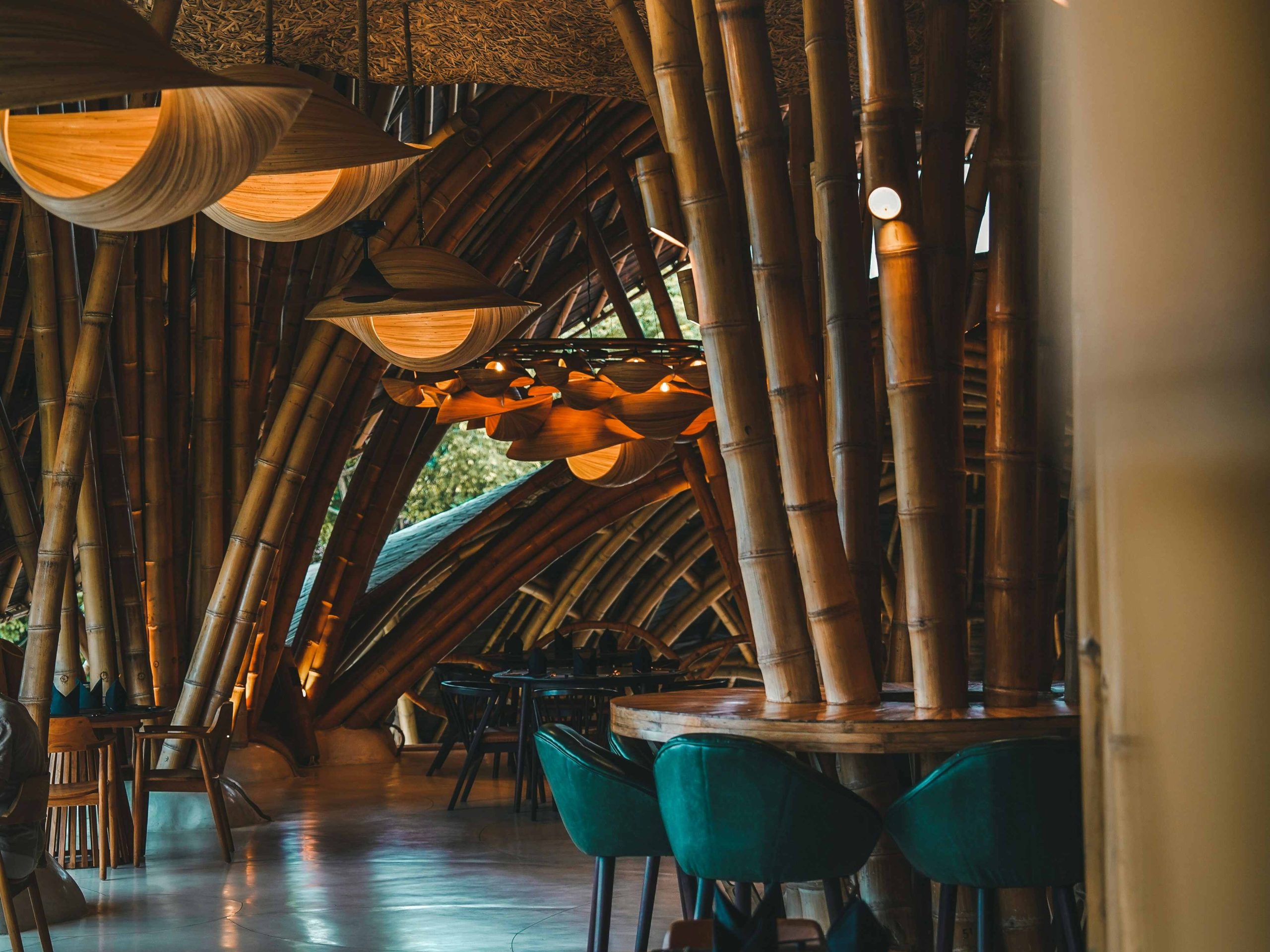
- Passive Thermal Architecture: Utilizing traditional building designs, natural airflow currents, and high-density organic thatch roofing to cool living spaces naturally, drastically reducing reliance on energy-heavy air conditioning units.
- Natural Water Conservation: Integrating rainwater harvesting networks and specialized bio-filtration systems to clean and reuse water across the property without depleting local groundwater tables.
Constructing these eco-friendly spaces requires deep material science. Developers utilize low-embodied carbon materials, alkaline-resistant natural stone, and sustainably harvested bamboo treated with natural borax to prevent insect decay. This ensures that the structures remain incredibly strong, safe, and durable while blending beautifully with the surrounding natural topography.
2. Cultivating Holistic Spaces: The Integration of Wellness and Community

While structural engineering provides the physical foundation, a true eco-resort requires a soulful, community-driven operational model to thrive. A sanctuary must act as a holistic lifestyle hub where guests can systematically rejuvenate their bodies, minds, and creative focus through scheduled wellness routines, plant-based nutrition, and intense physical movement.
For digital remote workers, global yogis, and wellness travelers looking to completely reset their internal alignment, finding an authentic home base is the most critical decision in their travel planning. Immersing oneself in a dedicated eco-hub like serenity bali demonstrates how a sustainable eco-guesthouse, an award-winning vegan restaurant, and multiple daily yoga shalas come together to form an inspiring community ecosystem in Canggu.
When an establishment blends environmental responsibility with high-caliber wellness programs, it addresses the core needs of the modern traveler. The physical layouts of yoga pavilions must be designed with perfect acoustic isolation and optimal airflow dynamics, allowing dozens of practitioners to experience deep meditation and intense Vinyasa or Yin yoga sessions without experiencing external auditory distractions or stagnant air pockets.
3. The Digital Grid: Supporting Remote Professionals in Wellness Spaces
Beyond organic gardens and meditation halls, the modern wellness sanctuary must deploy a powerful, invisible technical layer. The contemporary traveler is frequently a digital nomad, a creative entrepreneur, or a corporate executive managing global operations from their laptop.
To cater to this high-value demographic, a wellness property cannot simply offer basic Internet connectivity. It must build an enterprise-grade digital infrastructure featuring:
- High-Capacity Fiber Networks: Deploying redundant internet lines and managed Wi-Fi access points across the entire property to ensure video conferencing remain flawless from both private rooms and communal workspaces.
- Intelligent Power Allocation: Utilizing localized solar arrays and smart battery storage systems to provide consistent, clean electricity to guest charging stations, protecting sensitive electronic devices from regional power grids.
- Cloud-Based Guest Portals: Implementing seamless digital booking engines that allow guests to schedule yoga classes, order organic meals, and reserve wellness therapies directly from their smartphones, eliminating paper waste.
By treating technical connectivity as a core utility alongside pure water and organic food, wellness hubs allow remote professionals to sustain peak business performance while actively preventing occupational burnout.
4. Maximizing Waste-to-Energy Cycles and Sustainable Food Operations
One of the largest operational challenges facing any high-occupancy hospitality establishment is waste management. Traditional hotels generate immense volumes of food scraps, single-use plastics, and chemical detergents that cause severe damage to local municipal infrastructure and natural river systems.
Leading eco-sanctuaries combat this by deploying strict circular economy frameworks inside their food and beverage departments. Specialized alkaline-based cleaning agents replace toxic industrial chemicals, ensuring that commercial laundry and dishwashing runoff can be safely routed into bio-swales and greywater filtering systems.
Furthermore, kitchen operations work in perfect synchronization with on-site permaculture gardens. Organic food trimmings are separated into precise composting streams, where specialized earthworm colonies accelerate decomposition, turning waste back into rich topsoil within weeks. This organic matter is immediately reused to nourish onsite vegetable gardens, creating a direct, hyper-local loop that drastically reduces food transit emissions and lowers venue supply chain costs.
5. Bridging Holistic Well-Being with Strategic Corporate Outreach
For eco-resort founders, wellness entrepreneurs, and sustainable lifestyle directors, creating an exceptional physical space is only half the commercial equation. To keep yoga classes filled and guest rooms booked at optimal capacity throughout the year, a brand must build a powerful, high-visibility digital presence that resonates with international target audiences.
When planning a wellness brand’s long-term commercial growth or designing targeted client acquisition channels, analyzing comprehensive digital marketing programs education provides business leaders with a systematic framework for connecting physical hospitality excellence with high-performing online discovery loops. Understanding how organic search, narrative-driven content, and local visibility tools interact ensures that a gorgeous lifestyle venue is backed by a highly active global consumer pipeline.
When coordinating complex construction timelines, managing multi-tiered teacher training schedules, or executing large-scale property renovations, operational teams easily encounter intense execution friction. Reviewing practical strategies on how to stop procrastinating empowers project managers to maintain tight operational cadences, optimize vendor communication channels, and hit critical launch dates without experiencing costly logistical delays.
6. The Horizon: AI-Driven Personalization in Wellness Hospitality
Looking forward, the integration of advanced data metrics and machine learning will continue to revolutionize the sustainable hospitality sector. Future eco-resorts will utilize intelligent guest management software to personalize the entire wellness journey before the guest ever steps foot on the property.
AI-driven onboarding systems will analyze a guest’s historical health goals, sleep patterns, and dietary preferences to automatically curate custom macro-nutrient meal plans, recommend specific daily yoga paths, and schedule targeted therapeutic massages. These automated systems will reduce administrative overhead for hospitality teams while offering travelers a highly responsive, deeply restorative lifestyle experience.
Ultimately, the global tourism economy is transitioning toward a more conscious, balanced future. The memorable healing experiences that captivate modern travelers are fully supported by the sustainable engineering, technical infrastructure, and mindful community design operating behind the scenes. By merging environmental preservation with elite digital utilities, wellness operators can confidently navigate changing market demands and build a highly profitable, sustainable cultural framework. For more deep breakdowns on business scaling, technical networks, and operational strategies, follow along at Genecigs Corporate.