


When a consumer sits down at a local brewpub and orders a crisp, hop-forward India Pale Ale or a smooth, rich stout, they are participating in a culinary ritual that spans thousands of years. They appreciate the vibrant aromas, the clean carbonation, and the complex balance of malts and hops. To the casual craft beer enthusiast, brewing is a romantic, artisanal craft driven entirely by passion and instinct.
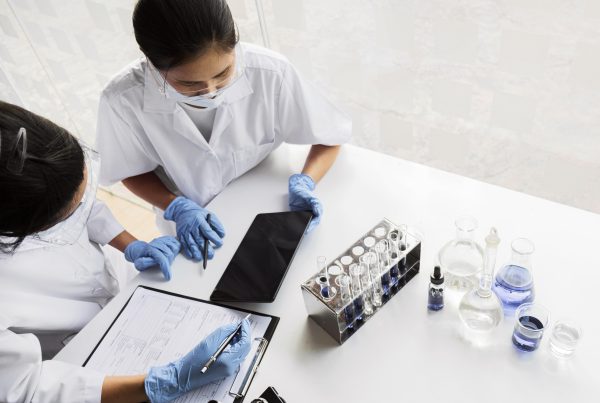
However, beneath the surface of the modern craft beer movement lies an incredibly advanced, data-driven bio-tech industry. The neighborhood microbrewery has quietly transformed into a high-precision chemical processing facility. Modern brewing relies on advanced thermodynamics, automated fluid dynamics, continuous pH tracking data, and highly sensitive microbiological monitoring networks to turn raw agricultural ingredients into a shelf-stable beverage.
As global supply chain costs fluctuate and competition for consumer attention intensifies, artisanal instinct is no longer enough to survive. For independent breweries, regional hospitality hubs, and craft beverage groups, long-term commercial success is entirely dependent on engineering consistency, eliminating thermal energy waste, and utilizing scalable process automation.
1. The Fermentation Matrix: Craft Brewing as a Data Management Problem
To understand why modern craft beer depends so heavily on technical engineering, one must look closely at the biological realities of fermentation. Yeast is a living, highly temperamental microorganism. When introduced into sugary, unfermented liquid wort, the yeast consumes sugars to create alcohol, carbon dioxide, and essential flavor compounds.
If the internal tank temperature shifts by even one degree Celsius during peak fermentation, the yeast can become stressed, releasing off-flavor chemical compounds that ruin an entire 5,000-liter batch. For a fast-growing beverage brand, a single dumped batch represents a catastrophic loss of revenue and inventory.
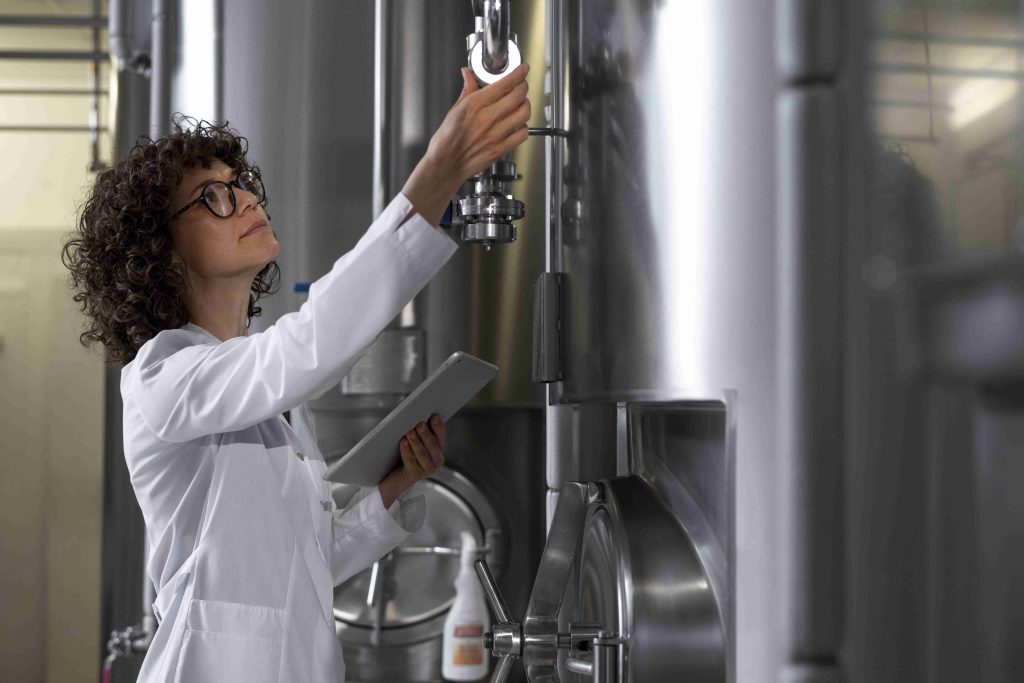
Achieving absolute product consistency requires treating the brewhouse as an automated technical grid. Modern cellar arrays use automated pneumatic valves, inline mass flow meters, and variable-frequency pumps to ensure that liquid flows at the exact velocity and temperature specified in a digital recipe blueprint.
2. Scaling the Craft: Cultivating Exceptional Dining and Beverage Environments
While brewing the liquid requires high-level chemical engineering, distributing that product to consumers introduces an entirely different logistical challenge. A craft brewery cannot thrive solely in a warehouse; it requires a vibrant front-of-house presence where consumers can experience the brand directly. This dual identity makes a microbrewery one of the most operationally complex hospitality business models in existence.
For independent beverage makers looking to build a highly recognizable brand, connecting artisanal brewing with a fantastic guest venue is the ultimate formula. Experiencing an award-winning venue like mash brewing showcases how world-class craft beer, a great family-friendly dining menu, and an open-view brewhouse layout come together seamlessly.
When a venue links its industrial production floor directly with a high-volume restaurant, the design must be flawless. The draft beer lines running from the cold room to the bar must be engineered with precise gas-blend pressures and continuous glycol cooling jackets to guarantee that every single pint pours perfectly at 2°C without excessive foaming or carbonation loss.
3. The Industrial Tech Stack: IoT Sensors and Intelligent Tank Automation
Beyond the heavy stainless steel tanks and steam boilers, the modern craft brewery is increasingly managed via integrated Internet of Things (IoT) technologies. Historically, brewers had to walk from tank to tank with clipboards, manually measuring liquid densities with glass hydrometers and writing down numbers.
Modern production facilities solve this by integrating wireless, continuous-monitoring fermentation sensors directly into the liquid. These smart systems:
- Transmit Continuous Gravity Signals: Tracking real-time density drops as sugar turns into alcohol, saving the historical data directly to cloud servers.
- Automate Glycol Cooling Control: Automatically opening or closing automated valves to adjust cooling jacket flows based on the active stage of the yeast cycle.
- Generate Instant Anomalous Alerts: Sending immediate mobile text alerts to the production team if a cooling pump trips or a tank pressure relief valve triggers unexpectedly outside of regular business hours.
By treating biological fermentation as a continuous, trackable data flow, beverage production teams protect their high-value inventory from structural failures while freeing up brewers to focus on product design, quality control, and creative flavor innovation.
4. Maximizing Resource Efficiency and Brewhouse Thermal Dynamics
One of the largest operational costs for any modern production brewery is energy consumption. Boiling thousands of liters of liquid wort requires massive amounts of heat, typically generated by gas-fired steam boilers. Conversely, chilling that same liquid down to fermentation temperatures requires heavy-duty industrial glycol refrigeration units running around the clock.
To stop raw utility costs from wiping out their profit margins, brewhouse engineers use advanced thermal recovery setups. A primary example is a high-efficiency plate heat exchanger. When boiling-hot wort is pumped out of the kettle toward the fermentation tanks, it passes through a series of thin stainless steel plates directly adjacent to a counter-flow of cold brewing water.
This layout achieves two massive operational efficiencies simultaneously:
- It drops the hot liquid down to safe fermentation temperatures in a single pass.
- It absorbs the discarded heat, instantly turning the cold incoming water into hot water that is saved in an insulated tank, ready for the next brewing cycle.
This closed-loop engineering reduces total brewhouse thermal energy consumption by up to 40%, lowering overhead costs while significantly reducing the company’s environmental footprint.
5. Integrating Creative Product Design with Strategic Digital Outreach
For independent brewery founders, beverage marketers, and commercial operations directors, creating a brilliant product inside the tank is only half the battle. In a crowded marketplace, a brand must consistently cut through the noise, driving continuous traffic to their retail taps and securing premium retail shelf space.
When mapping out a brand’s long-term commercial growth or launching a new product line, analyzing structured digital marketing programs education provides business leaders with a systematic framework for connecting physical product excellence with digital discovery channels. Understanding how organic search, local map discovery, and direct-to-consumer digital engagement interact ensures that a gorgeous hospitality facility is backed by a highly active consumer pipeline.
When coordinating complex bottling lines, dealing with raw ingredient supply shocks, or managing seasonal venue launches, production teams often hit deep operational bottlenecks. Reviewing practical strategies on how to stop procrastinating helps management groups maintain strict production schedules, hit tight seasonal distribution deadlines, and launch new initiatives without costly logistical delays.
6. The Horizon: Sustainability and the Circular Beverage Economy
Looking out toward the future of the craft beverage sector, the push for sustainable, circular manufacturing will continue to accelerate. Breweries produce massive amounts of organic waste byproducts, primarily spent grain after the sugars are extracted from the malted barley.
Future-focused facilities are forming collaborative partnerships with local agricultural networks, recycling 100% of their spent grains directly into high-protein livestock feed for local farms. Furthermore, the integration of advanced carbon dioxide recovery systems allows microbreweries to capture the natural gas released during fermentation, cleaning and compressing it so it can be reused to carbonate their own beer lines, creating a truly self-sustaining production cycle.
Conclusively, a successful modern brewery is a masterfully balanced machine. The exceptional flavors and memorable hospitality experiences that delight customers are fully supported by the precision, thermodynamics, and data tracking of the industrial systems operating behind the scenes. By merging artisanal passion with cutting-edge process engineering, craft beverage producers can easily navigate market shifts and build a highly resilient, profitable, and eco-friendly commercial future. For more deep breakdowns on business scaling, technical ecosystems, and operational strategy, follow along at Genecigs Corporate.