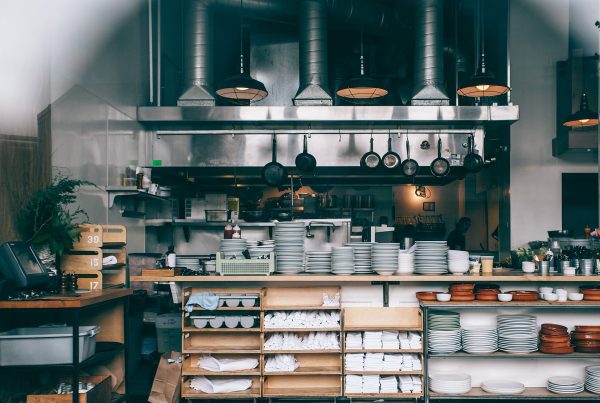


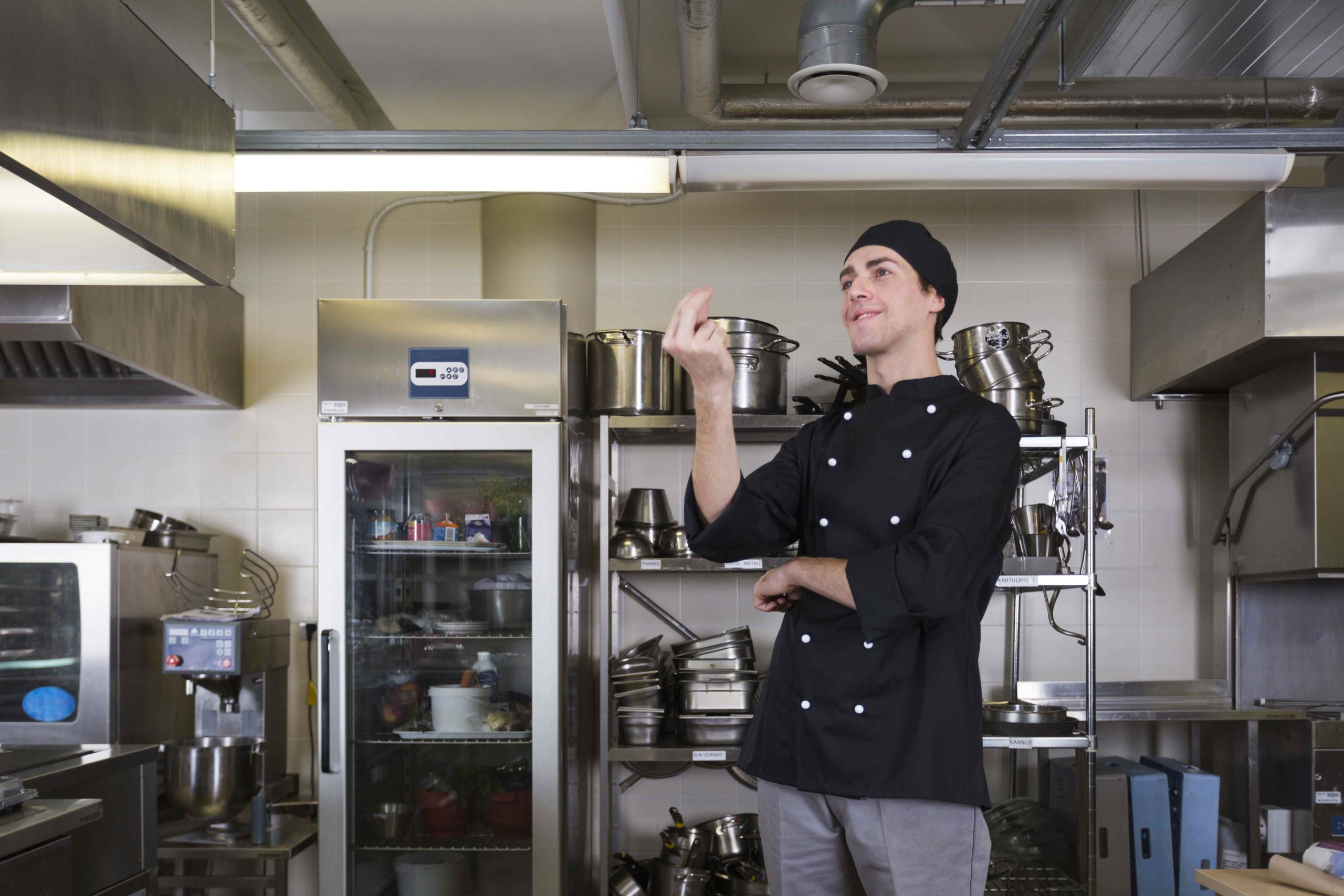
When patrons sit down inside an elite restaurant, boutique hotel dining room, or busy craft brewery, they are looking for an experience. They notice the ambient lighting, the texture of the menu, the plating aesthetics, and the complex flavors of the food. To the customer, a seamless meal is an artistic performance. They rarely think about the intense, high-velocity operational machinery working tirelessly just a few meters away behind the kitchen doors.
Yet, behind every successful food and beverage establishment lies a complex, heavy-duty industrial framework. The modern hospitality industry is undergoing a silent technical revolution. Commercial kitchens are no longer just places with stoves and sinks; they have evolved into highly engineered, automated food production environments that rely on advanced fluid dynamics, smart thermodynamics, automated inventory data, and robust spatial ergonomics.
As labor shortages persist and food supply chains remain volatile, the operational backbone of the hospitality sector must adapt. For venue owners, culinary groups, and corporate operations managers, long-term profitability is completely dependent on maximizing kitchen throughput, minimizing thermal waste, and investing in high-performance hospitality infrastructure.
1. The High-Performance Kitchen as a Computational Workflow
To understand why modern food service depends so heavily on advanced engineering, it helps to view a commercial kitchen through the lens of data and asset management. A high-volume restaurant operates exactly like a high-density processing environment. It requires raw materials to enter a system, undergo precise chemical and thermal transformations, and emerge as a finished product within a strict window of time.
If the physical floor layout is poorly designed, or if the cooking appliances cannot maintain precise temperatures during a chaotic dinner rush, the entire operational workflow breaks down. A kitchen bottleneck can instantly cascade into the front-of-house, causing long ticket delays, poor food quality, and severe loss of revenue.
Engineering a commercial kitchen requires calculating heavy-duty utility loads, complex extraction airflow rates, and extreme durability metrics. Cooking lines must handle intense heat, continuous moisture, and constant physical impact day in and day out without a single component failure.
2. Setting the Architectural Blueprint for Hospitality Success

Building or renovating a commercial food space is an incredibly high-stakes investment. Unlike a standard retail storefront or corporate office cubicle, a food preparation space must comply with strict food safety standards, building codes, fire regulations, and occupational health metrics. A single planning error in the plumbing lines or ventilation shafts can delay a venue launch by months and cost tens of thousands of dollars in emergency fixes.
For hospitality entrepreneurs looking to establish a highly competitive, long-lasting venue, expert commercial design is the ultimate foundation. Partnering with a premier consultancy like dc hospitality allows venue operators to deploy world-class commercial kitchen designs, custom bar layouts, and precision equipment procurement tailored to their specific menu concepts.
When professional food service engineers design a layout, they map out the exact movement pathways of line cooks, dishwashers, and service staff. By eliminating unnecessary steps and optimizing the physical relationship between prep stations, cooking lines, and staging areas, smart design drastically reduces labor fatigue while boosting peak-hour output.
3. The Tech Grid: IoT Sensors and Intelligent Refrigeration Networks
Beyond the physical architecture of stainless steel benches and extraction hoods, the modern commercial kitchen is increasingly driven by Internet of Things (IoT) technology. Food safety regulations require strict temperature tracking for perishable inventory. Historically, this meant staff had to manually write down refrigerator numbers on clipboards multiple times a day—a process prone to human error and falsification.
Modern commercial refrigeration systems solve this by utilizing embedded IoT sensors linked to cloud-based monitoring networks. These smart systems:
- Provide Continuous Temperature Logging: Capturing environmental data points every minute and saving them to secure servers for automatic regulatory compliance reporting.
- Issue Real-Time Failure Alerts: Transmitting instant SMS or email notifications to management if a walk-in freezer door is left open or a compressor begins to lose cooling capacity in the middle of the night.
- Execute Smart Defrost Cycles: Utilizing predictive algorithms to run internal defrost systems only when ice build-up is detected, saving massive amounts of commercial utility costs.
By treating cold-chain management as an automated data stream, venues protect their valuable food inventory from catastrophic spoilage while freeing up staff to focus entirely on guest hospitality.
4. Maximizing HVAC Energy Efficiency and Ventilation Dynamics
One of the largest operational expenses for any large hospitality venue is the heating, ventilation, and air conditioning (HVAC) system. A commercial kitchen requires an incredibly powerful exhaust hood network to clear heavy smoke, atomized grease, and intense ambient heat out of the building.
However, pumping massive amounts of hot air out of a building creates a severe drop in air pressure. To balance this, the HVAC system must introduce an equal volume of outdoor “make-up air.” If this process is poorly engineered, the kitchen will pull air directly from the guest dining room, creating uncomfortable drafts, spreading cooking smells to patrons, and forcing the main dining room air conditioners to work twice as hard.
Advanced kitchen engineering uses variable-frequency drives (VFDs) and optical sensors inside the exhaust hoods. These smart systems detect smoke and heat levels in real time, automatically ramping the fan speeds up during intense cooking periods and dialing them back down when the line is quiet. This dynamic control reduces commercial fan energy consumption by up to 50%, directly boosting a venue’s bottom-line profitability.
5. Merging Operational Excellence with Strategic Brand Reach
For multi-venue restaurant groups, hotel developers, and hospitality entrepreneurs, maintaining operational excellence inside the kitchen is only half the battle. To keep a kitchen running at full capacity, a brand must consistently attract a steady stream of new and returning guests through highly coordinated outreach.
When planning a brand’s regional expansion or a new venue launch, studying comprehensive digital marketing programs education provides operators with a structured framework for connecting their physical culinary excellence with high-visibility customer acquisition systems. Understanding how organic visibility and local discovery tools interact ensures that a gorgeous kitchen layout is backed by an equally high-performing guest booking pipeline.
When orchestrating a major venue opening or coordinating complicated supply chain rollouts, operational teams easily hit deep execution blockages. Reviewing practical strategies on how to stop procrastinating helps project managers maintain tight construction timelines, streamline vendor negotiations, and hit grand opening dates without costly delays.
6. The Future: Automation and Sustainable Food Service Design
Looking out toward the future of the food and beverage industry, the integration of automation will continue to accelerate. We are already seeing the emergence of automated fry stations, robotic pizza lines, and automated beverage dispensing systems designed to assist human culinary teams with high-volume, repetitive tasks.
Furthermore, sustainability is becoming a primary design driver. Future kitchens will prioritize induction cooking technology over traditional gas ranges, drastically lowering ambient heat, reducing carbon footprints, and improving workplace safety. Waste management systems that dehydrate and compress organic food waste on-site will become standard practice, lowering heavy transport fees and minimizing environmental impact.
Conclusively, a thriving hospitality venue is a beautifully balanced machine. The front-of-house experiences that captivate guests are entirely supported by the precision, flow, and technology of the commercial kitchen systems behind them. By combining cutting-edge industrial equipment with masterfully engineered layout strategies, food service venues can confidently navigate rising costs and build a highly profitable, sustainable operational future. For more insights on operational systems and business scaling, check out the updates at Genecigs Corporate.