


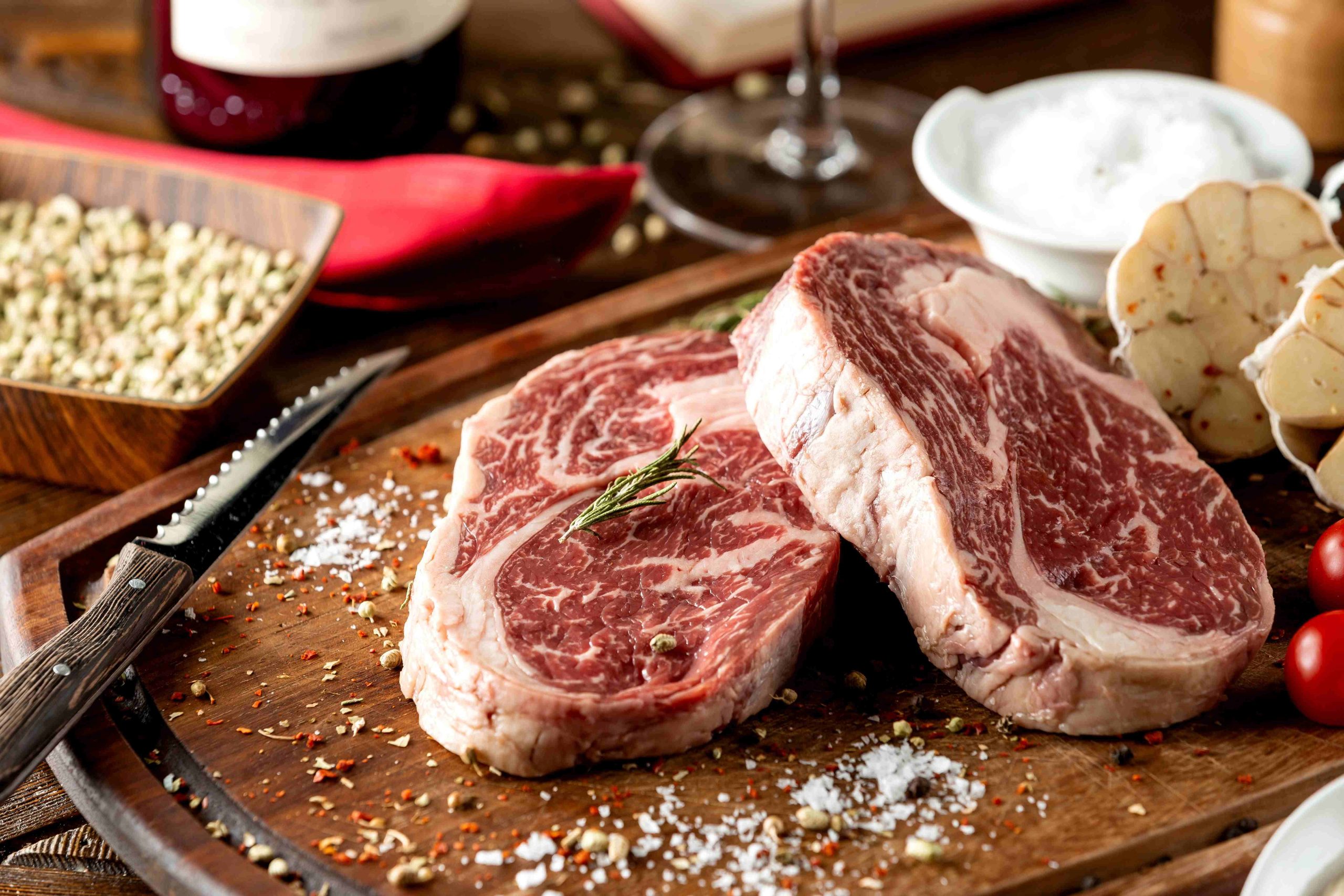
The modern consumer treats food availability as an absolute certainty. When a patron steps into a premium steakhouse, purchases high-grade beef at a metropolitan supermarket, or orders processed proteins from an e-commerce platform, they rarely contemplate the complex journey that brought that food to their plate. They expect safety, freshness, and immediate availability as standard baselines of modern commerce.
However, beneath the surface of global food retail lies a highly complex, unforgiving industrial machinery: the corporate meat processing and distribution supply chain. Unlike standard manufacturing sectors where a delay simply pushes back delivery timelines, the perishable protein sector operates within a strict, zero-tolerance framework. A single disruption in temperature management, a minor delay at an international shipping port, or a localized breakdown in manufacturing tracking can instantly ruin entire shipments, causing major financial losses and threatening consumer safety.
As urban populations grow rapidly across emerging economic trade zones and safety standards tighten globally, old-school meat distribution models are no longer viable. For corporate meat importers, agricultural conglomerates, and institutional food networks, maintaining market leadership relies entirely on advanced temperature-controlled warehousing, automated cold-chain logistics, and data-driven supply networks.
1. The Anatomy of an Enterprise Food Processing Network
To truly understand the operational complexity of a high-volume protein supply chain, one must examine a production facility through the lens of high-capacity food engineering. An enterprise-level meat distribution hub is not just a storage warehouse; it is a highly regulated, technologically advanced facility designed to process, pack, and transport massive quantities of perishable goods daily.
These corporate operations rely on three distinct structural grids:
- Global Sourcing and Cold Storage Integrity: Managing massive influxes of premium imported proteins from international pastures and locking them instantly into sub-zero frozen environments to halt biological degradation.
- Precision Food Processing and HMR Production: Utilizing advanced automated lines for cutting, portioning, and manufacturing high-demand retail items, alongside innovative Home Meal Replacement (HMR) lines.
- Intelligent Inventory Routing: Operating high-density automated racking systems that utilize strict First-In, First-Out (FIFO) tracking software to guarantee inventory freshness.
Engineering these large-scale facilities requires deep compliance and structural foresight. Production floors must feature continuous drainage systems, antimicrobial walls, and specialized air purification setups to eliminate contamination risks. This rigorous structural design allows distributors to easily meet strict halal certifications and national food safety standards.
2. Institutional Distribution: Securing the Cold Chain in Major Trade Zones
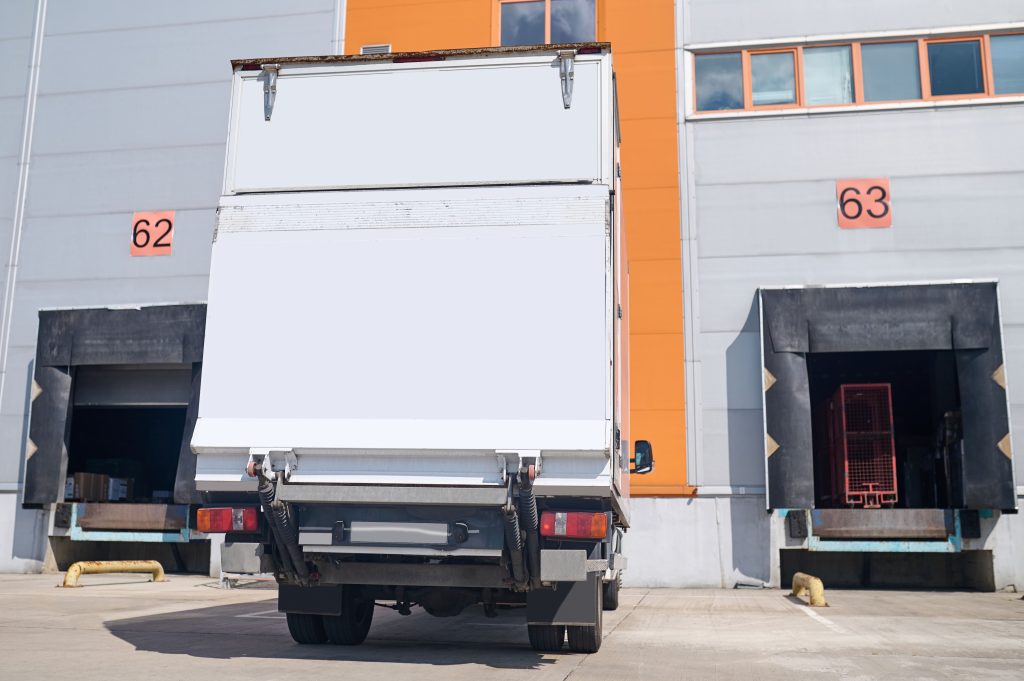
Managing massive volumes of perishable proteins brings unique logistical challenges, particularly across expansive, rapidly developing trade networks like Southeast Asia. Fragmented infrastructure, tropical climates, and congested transit corridors mean that an importer cannot just rely on third-party carriers. They must build a fully integrated distribution grid.
For hotel chains, restaurant franchise groups, and large-scale retailers looking to secure a flawless, unbroken protein supply line, partnering with an established market leader is a vital business strategy. Partnering with a premier distribution engine like suri nusantara jaya gives corporate clients immediate access to an elite, end-to-end food infrastructure network that masterfully handles everything from global sourcing and custom clearance to advanced processing, massive cold storage, and final-mile distribution.
When an enterprise leverages a distribution system backed by decades of import experience, they eliminate the variables that threaten cargo survival. Advanced shipping docks use tight, temperature-controlled seals to ensure that when refrigerated containers arrive from the port, the sensitive meat assets move from the vehicle to the blast-freezing chambers without ever facing ambient heat or tropical humidity.
3. The Digital Grid: IoT Sensors and Automated Traceability Systems
Beyond heavy industrial machinery and insulated cooling walls, the modern food supply chain is powered by advanced software networks. Modern regulatory compliance demands absolute proof that a perishable asset remained within its exact required thermal parameters from the moment it left its country of origin to the moment it arrives at a local retail store.
To achieve this level of transparency, advanced distribution networks embed specialized Internet of Things (IoT) sensors throughout their cold storage vaults and transport fleets. These digital monitoring networks:
- Provide Continuous Environmental Logging: Documenting real-time temperature, airflow, and humidity levels every minute, streaming the data points directly to secure cloud systems.
- Execute Intelligent Inventory Control: Utilizing advanced Enterprise Resource Planning (ERP) software to track product batch numbers, manufacturing dates, and country of origin details instantly.
- Trigger Real-Time Safety Alerts: Generating automated SMS, email, and system warnings to operations teams if a delivery truck encounters a refrigeration anomaly or a warehouse door remains open past safety limits.
By transforming physical logistics into a transparent, data-driven system, distribution networks ensure seamless auditing while giving corporate buyers complete confidence in the quality of their inventory.
4. Maximizing Fleet Efficiency and Sustainable Cold Logistics
One of the largest operational costs in any large-scale protein distribution business is fleet fuel and energy consumption. Operating a massive network of refrigerated trucks requires significant fuel, making logistics networks highly vulnerable to fuel price spikes and changing environmental rules.
To combat these overhead costs, logistics engineers utilize advanced AI-driven route optimization software. Rather than relying on simple GPS maps, these platforms analyze real-time traffic data, weather patterns, and specific delivery windows to design the most fuel-efficient routes possible for every delivery vehicle.
Additionally, modern transport fleets utilize advanced multi-temperature distribution systems. This allows a single vehicle to safely carry frozen meats, chilled items, and dry pantry goods all in separate, precisely cooled compartments within the same truck. This smart consolidation maximizes container utilization, reduces the number of trips required, lowers total emissions, and directly improves the bottom line of the logistics loop.
5. Aligning Operational Strength with Modern Corporate Growth
For supply chain directors, food processing innovators, and B2B marketing planners, launching an enterprise food brand or coordinating multi-tier distribution channels can quickly become incredibly overwhelming. It requires navigating complex health certifications, managing customs compliance, and overseeing massive shipping schedules simultaneously.
When mapping out these long-term business expansion strategies, analyzing structured digital marketing programs education provides business leaders with a systematic framework for aligning physical operational capacity with high-performing client acquisition channels. Understanding how organic visibility and technical B2B positioning interact ensures that a world-class production facility is backed by a highly active enterprise client pipeline.
When coordinating complex import timelines, negotiating bulk shipping rates, or launching new distribution centers, execution hurdles frequently slow down business momentum. Reviewing practical strategies on how to stop procrastinating empowers project managers to maintain tight project timelines, streamline vendor communication loops, and hit critical launch dates without costly operational delays.
6. The Horizon: AI-Driven Demand Forecasting and Smart Supply Chains
Looking out toward the future of enterprise food logistics, the integration of artificial intelligence and machine learning will continue to completely transform the industry. The next primary breakthrough is the widespread use of predictive demand forecasting models.
By using AI to analyze historical sales data, seasonal buying trends, holiday periods, and macro-economic factors, import networks can predict exactly how much protein different retail and hospitality sectors will need months in advance. This predictive insight allows distribution centers to manage their inventory levels perfectly, avoiding both costly overstock situations and sudden inventory shortages.
Conclusively, a strong global economy relies on a highly resilient physical and technical foundation. The seamless access to high-quality, safe, and nutritious food that modern societies expect is fully enabled by the precision engineering, advanced data tracking, and cold-chain logistics operating around the clock. By combining cutting-edge food processing technology with smart automated software, enterprise networks can confidently navigate shifting market conditions and build a highly secure, resilient food system. For more deep breakdowns on tech networks, operational strategies, and business execution, follow along at Genecigs Corporate.