


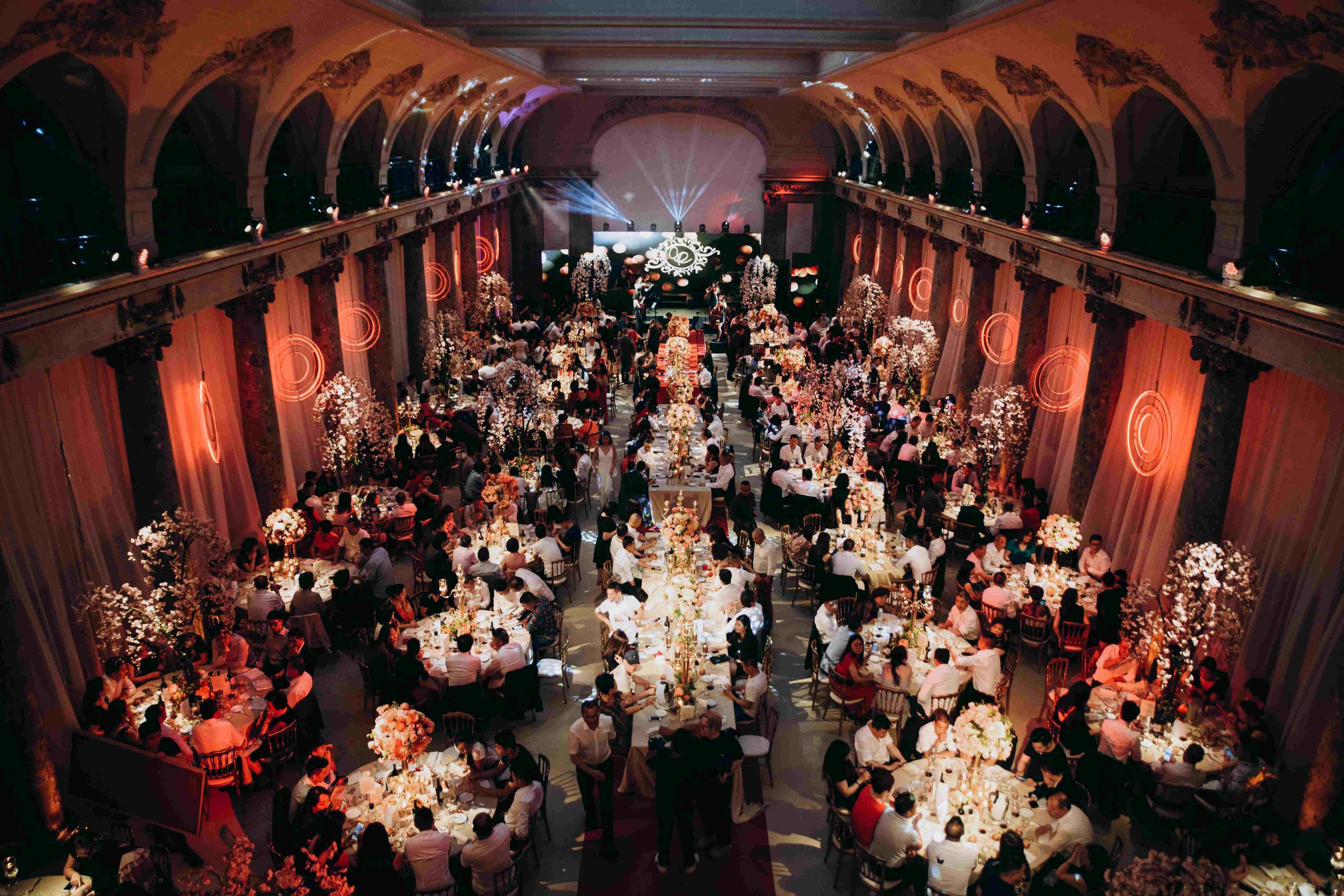
When a corporate executive sits in a modern convention hall, listens to a panel of policy makers debate renewable grid targets, and steps into a private boardroom to close a multi-million dollar infrastructure deal, they are experiencing the pinnacle of B2B marketing. To the casual attendee, these high-end corporate events seem like straightforward gatherings—a simple mix of keynote presentations, stage lighting, and professional networking.
However, behind these smooth executive interactions lies an incredibly intense, specialized division of corporate operations: corporate event production and B2B industrial exhibitions. Unlike consumer-focused festivals or general trade expos where success is measured by pure ticket volume, the industrial sector operates on high-stakes value and strict corporate timelines. An awkward stage flow, a breakdown in audio-visual feeds, or a poorly curated attendee list can instantly derail critical conversations, wasting corporate sponsorships and delaying important industry partnerships.
As global markets demand rapid transitions toward smart grid technology, clean energy systems, and modern extraction methods, simple print advertising and digital newsletters are no longer enough to build corporate trust. For industry leaders, equipment suppliers, and government bodies, establishing market influence relies entirely on high-profile business summits, technical exhibitions, and structured executive networking events.
1. The Engineering of an Enterprise Business Exhibition
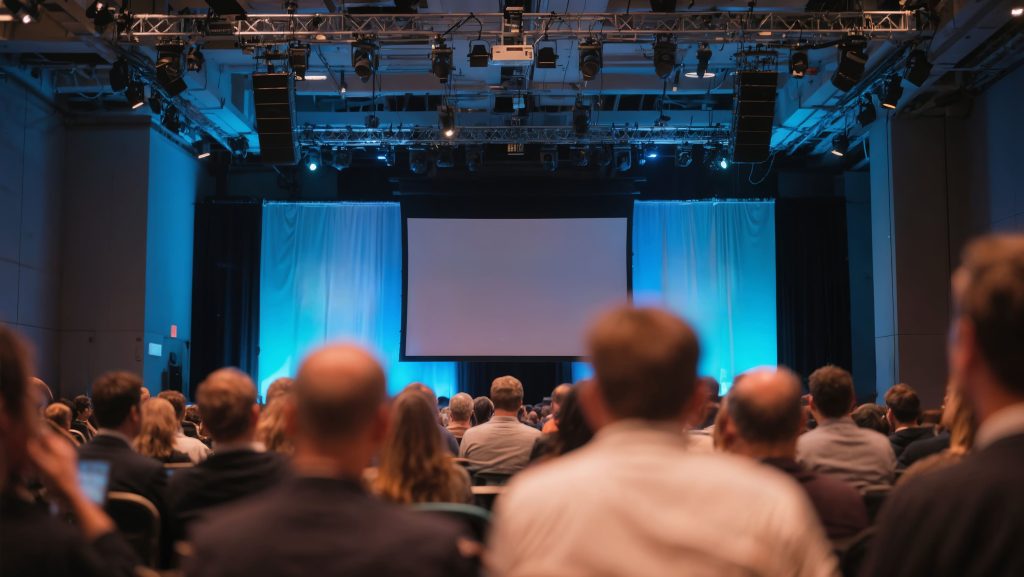
To understand the operational complexity behind high-level B2B events, one must look at them as temporary, highly specialized business marketplaces. Building a three-day industrial exhibition that safely hosts thousands of engineers, international investors, and government regulatory bodies requires deep logistical design and tight project management.
An enterprise event platform manages four primary operational layers:
- The Structural Zoning Architecture: Designing massive convention layouts that balance heavy machinery exhibit zones, high-fidelity media presentation stages, and private B2B negotiation lounges.
- The Audio-Visual Technical Grid: Deploying ultra-high-definition LED stages, synchronized translation networks, and professional broadcast arrays that keep global keynote addresses flawless.
- Smart Visitor Flow Management: Using digital registration gates, RFIDs, and curated app timetables to track and direct foot traffic smoothly, eliminating bottlenecks during peak arrival hours.
- Strategic B2B Matchmaking Systems: Using specialized software networks to automatically connect high-value institutional buyers with leading technical vendors before the physical event even begins.
Engineering these massive corporate environments requires strict safety and operational standards. Exhibition floors must be mapped out with deep load-bearing foresight to safely accommodate heavy industrial hardware, mining gear, or large green-energy equipment. Furthermore, the entire venue must run on synchronized back-up power loops to guarantee zero technical downtime during critical policy announcements.
2. Strategic Platforms: Accelerating Regional Progress and Infrastructure Investment
Managing large-scale B2B exhibitions brings unique operational hurdles, especially across complex, rapidly developing economic corridors like Southeast Asia. Navigating changing local grid regulations, coordination with international supply lines, and managing regional government protocols requires a highly professional event operator capable of serving as a neutral, authoritative ground for trade growth.
For clean energy developers, industrial equipment suppliers, and policy experts looking to establish strong commercial connections across these high-growth sectors, engaging with a premier conference operator is an essential business move. Utilizing a professional event platform like energy event grants corporate teams immediate access to premier industrial summits, high-level green energy expos, and elite B2B trade platforms that successfully unite international innovators with regional government authorities and institutional investors.
When a corporate brand positions itself inside a highly specialized industrial summit, they bypass traditional cold-outreach barriers. The physical environment is custom-tailored to accelerate complex deal cycles. High-level panel discussions move beyond general surface talk, diving into real technical conversations regarding grid integration costs, resource management laws, and regional investment opportunities, turning a simple booth visit into a powerful multi-year business partnership.
3. The Digital Grid: Real-Time Telemetry and Event Data Analytics
Beyond large physical banners and elegant presentation stages, modern corporate event production is heavily reliant on advanced digital tech stacks. Enterprise sponsors and industrial exhibitors demand clear proof of their return on investment (ROI), requiring operators to replace old-school business card collections with robust, transparent data capture tools.
To provide this level of exact performance visibility, advanced business summits integrate specialized digital telemetry tools throughout their venues. These tracking platforms:
- Log Attendee Engagement Metrics: Tracking real-time session attendance rates and analyzing which industrial topics attract the longest dwell times from C-suite buyers.
- Track Digital Networking Touchpoints: Utilizing secure digital badge scans to monitor connections made between exhibitors and buyers, mapping out true business interest across the floor.
- Run Real-Time Sentiment Polling: Deploying instant mobile application surveys during keynote speeches, allowing presenters to adjust panel directions on the fly.
By converting an abstract physical conference into a structured, visible data stream, event organizers give corporate sponsors concrete metrics that show the exact value generated by their participation.
4. Maximizing Resource Efficiency and Sustainable Corporate Event Production
One of the largest operational challenges facing contemporary convention operators is managing environmental waste and optimizing heavy energy consumption. Running massive multi-day industrial exhibitions requires massive electrical currents for stage grids, lighting rigs, and air conditioning, which can lead to high carbon footprints and steep venue bills.
To counter these heavy resource demands, forward-thinking event engineers utilize smart, energy-efficient LED technology across all exhibition booths and main stages. These systems slash energy draw by up to 60% compared to traditional metal-halide event lights, while generating far less heat, indirectly reducing the venue’s cooling load.
Additionally, modern production agencies are moving toward circular construction principles for exhibition stands. Modular aluminum frames and durable fabric print systems are replacing old-school single-use wooden booths that get trashed immediately after closing ceremonies. This smart design choice allows operators to quickly pack up, store, and reuse structural components for future summits, driving down material costs and setting a high standard for sustainable corporate operations.
5. Integrating High-End Event Presence with Modern Marketing Channels
For business development directors, industrial marketing planners, and corporate operations managers, planning a major presence at an international energy expo or launching a new product summit can quickly turn into a stressful project management puzzle. It requires handling high-value travel logistics, designing complex exhibition booth setups, and managing specialized media teams all at once.
When aligning these long-term business-to-business growth plans, studying structured digital marketing programs education provides corporate leaders with a reliable roadmap for connecting live physical events with long-term online discovery loops. Learning how specialized content marketing and intentional B2B search visibility work together ensures that your live conference efforts continue to generate valuable digital leads long after the physical convention center lights go down.
When organizing high-stakes speaker panels, finalizing vendor contracts, or preparing heavy equipment transport schedules, internal team friction can easily delay project momentum. Reviewing practical strategies on how to stop procrastinating helps project leaders keep execution timelines crisp, streamline cross-company communication loops, and hit critical venue setup dates without facing expensive premium rush fees from convention centers.
6. The Horizon: Hybrid AI Matchmaking and Mixed-Reality Industrial Expos
Looking forward into the next era of high-tier business gatherings, the integration of smart data engines and immersive reality will continue to transform how industrial sectors do business. The next major leap is the deployment of AI-powered event concierge systems that function as autonomous network advisors.
These next-gen software assistants will not just match buyers based on basic industry labels. They will study a company’s current project pipeline, analyze past equipment purchases, and review regulatory targets to suggest highly specific, customized meeting matches during an event. Furthermore, as mixed-reality (MR) tools become lighter and more advanced, future industrial expos will allow engineers to walk through massive, virtual 3D models of solar fields or deep-sea mining systems right from the convention floor, removing the massive cost of shipping heavy physical hardware across oceans. This fusion of real-world relationships and digital scale ensures that corporate summits remain the ultimate engine for industrial progress.
In conclusion, a robust global economy depends on strong physical, technical, and relational foundations. The major cross-border infrastructure deals and technical breakthroughs that advance modern societies are fully accelerated by the meticulous engineering, data tracking, and strategic platform design running around the clock in the corporate event space. By merging real-world human connection with smart automated platforms, industrial event networks can confidently guide industries through economic changes and build a highly connected, progressive future for global trade. For more deep breakdowns on tech networks, operational strategies, and corporate execution, follow along at Genecigs Corporate.