


The global conversation surrounding artificial intelligence (AI), machine learning, and cloud computing is almost entirely dominated by software. We marvel at large language models that can write code in seconds, computer vision systems that diagnose illnesses with pinpoint accuracy, and automated data analytics tools that optimize corporate supply chains overnight. The digital world feels weightless, existing entirely in an invisible cloud.
However, this digital revolution is an illusion of weightlessness. Behind every line of code, every streaming service, and every enterprise AI training model lies a massive, incredibly heavy, and physically demanding physical ecosystem. The “cloud” is not a cloud at all; it is a sprawling network of hyper-scale data centres, massive electrical grids, complex cooling networks, and heavy industrial facilities. As we look toward the future of technology, the bottleneck for AI advancement is no longer just algorithmic—it is physical. Building the digital infrastructure of tomorrow requires an unprecedented amount of physical stability, security, and structural engineering. For modern tech hubs, enterprise facilities, and global digital frameworks, the digital revolution is entirely dependent on the physical strength of heavy industry, structural steel, and precision engineering.
1. The Immense Weight of Modern Hyper-Scale Architecture
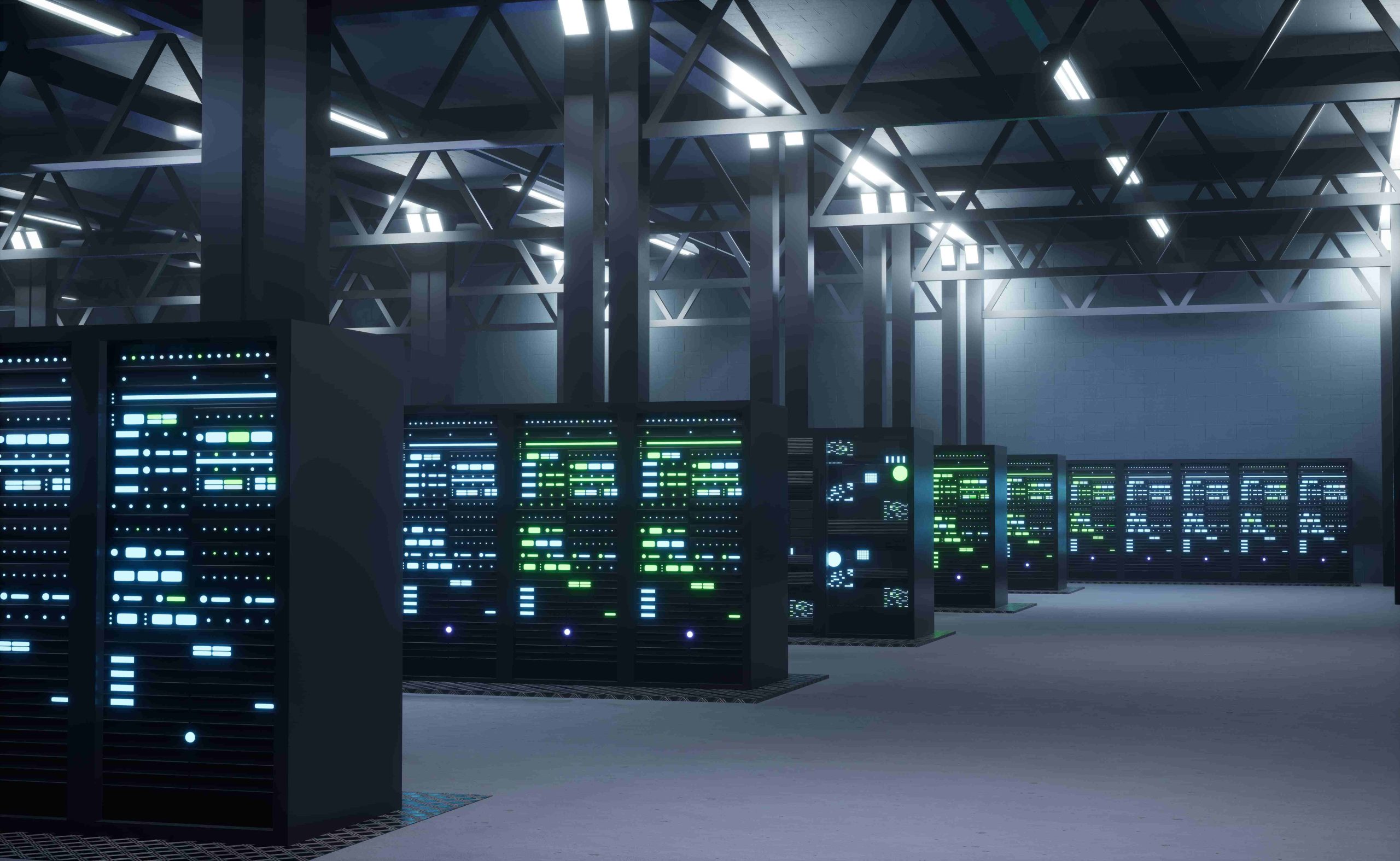
To understand why tech depends so heavily on industrial engineering, one must look closely at the sheer physical scale of modern data ecosystems. A hyper-scale data centre is not just a standard office building with a few computers inside. These structures house tens of thousands of server racks, massive industrial uninterruptible power supply (UPS) systems, heavy diesel generators for backup power, and extensive liquid cooling chillers.
A single fully loaded server rack can weigh anywhere from 900 kg to over 1,500 kg. When you multiply that by thousands of racks spread across a facility, the dead load on the floor plates becomes astronomical. Furthermore, as AI chips like modern GPUs run hotter, traditional air cooling is failing. Facilities are rapidly migrating toward liquid cooling systems, which introduce thousands of gallons of water or specialized chemical coolants flowing through overhead and under-floor piping networks. This adds immense fluid weight to the building’s infrastructure.
Because of this, standard commercial real estate construction methods simply do not cut it. Designing these facilities requires heavy-duty structural steel framing, reinforced H-beams, and high-tensile steel decking capable of handling extreme, localized weight distribution without a millimeter of structural deflection. A minor structural shift can misalign fiber-optic connections, cause stress fractures in cooling pipes, or disrupt the precise leveling required for automated robotics operating within the server aisles.
2. Structural Steel as the Backbone of Tech Logistics
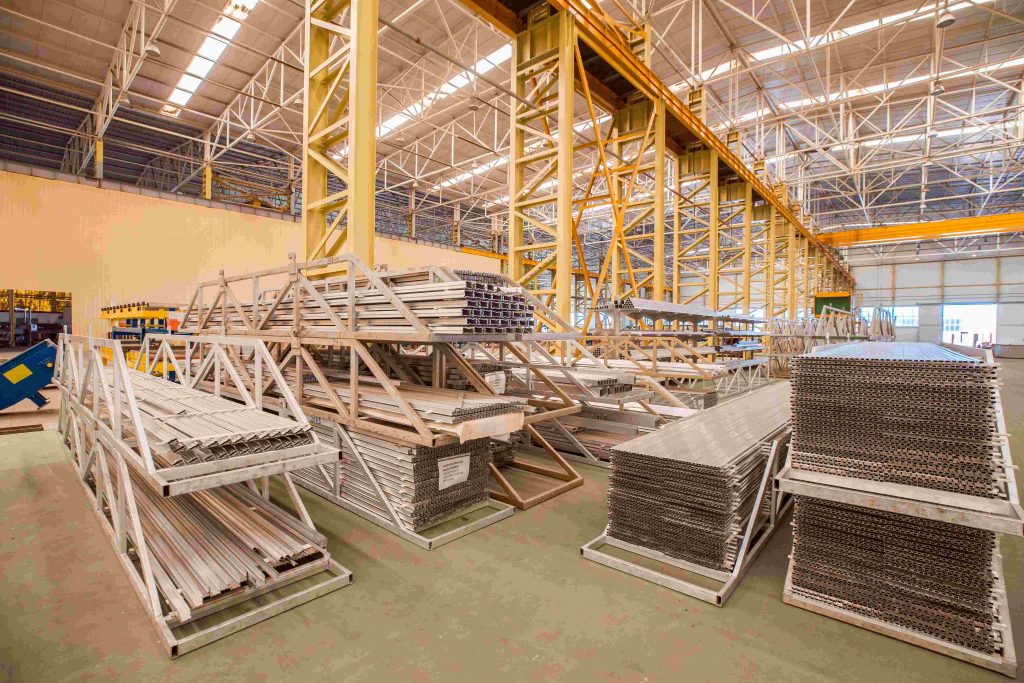
Every phase of the technological supply chain relies on robust physical spaces. Before a server can be mounted in a rack, it must be manufactured, stored, and transported through a highly coordinated logistical network. This has sparked a massive boom in the construction of smart warehouses, automated fulfillment centers, and advanced manufacturing plants worldwide.
The architecture of these facilities relies completely on structural steel. High-bay warehouses use automated storage and retrieval systems (ASRS) that reach up to 40 meters into the air. These systems require perfectly straight, incredibly rigid steel columns and rack structures to allow high-speed robots to navigate safely. The precision required is so high that even slight thermal expansion or lower-quality metal components can cause system-wide failures.
For businesses looking to establish a strong physical footprint for their digital or logistical operations, choosing the right structural materials is the most critical decision in the blueprint phase. Working with a premier distributor besi tangerang ensures that developers and industrial contractors gain access to certified, high-grade iron and steel products—such as WF (Wide Flange) beams, H-beams, and heavy plates—necessary to sustain these demanding, tech-driven industrial frameworks. Without high-tensile structural steel, building the expansive, open-span facilities required for modern automated logistics would be physically impossible.
3. Mitigating the Vibrational and Thermal Threats of High-Density Computing
Beyond holding up weight, industrial engineering in the tech space must address two invisible enemies: vibration and thermal stress.
High-performance computing clusters draw massive amounts of electricity, converting nearly all of it into heat. To dissipate this heat, industrial-scale cooling fans and massive water pumps run continuously 24 hours a day, 7 days a week. The mechanical energy generated by these cooling systems creates continuous, low-frequency vibrations throughout the entire building structure.
If a building framework is poorly engineered, these vibrations can travel directly into the server racks. Hard drives, delicate silicon components, and optical transceivers are highly sensitive to microscopic movements. Continuous vibration can significantly shorten the lifespan of expensive enterprise hardware and lead to corrupted data transfers.
To solve this, structural engineers use heavy steel framing combined with specialized dampening systems. Steel provides a unique combination of high strength and predictable elasticity, allowing it to absorb and dissipate harmonic frequencies when designed correctly. Furthermore, steel’s thermal properties make it highly reliable in environments subject to extreme temperature differentials—such as the stark contrast between a hot aisle inside a data hall and the cold outdoor environment of an external cooling farm.
4. Security, Resilience, and Disaster Recovery
As society becomes entirely dependent on digital platforms for finance, healthcare, governance, and communication, the physical security of data infrastructure has become a matter of national security. Data centres must be built like modern fortresses, designed to withstand not only digital cyberattacks but also physical disasters, including earthquakes, hurricanes, explosions, and forced entry.
Steel plays a vital role in this protective envelope. Seismic-resistant design relies heavily on steel buckling-restrained braces (BRBs) and moment-resisting frames. In the event of an earthquake, these steel components are designed to bend and absorb the kinetic energy of the shaking earth, protecting the delicate computer hardware inside from catastrophic shockwaves.
Furthermore, high-security data facilities utilize reinforced steel plate walls, ballistic-resistant doors, and heavy steel mesh layers embedded within concrete structures to prevent physical breaches. When managing a complete corporate evolution or protecting critical company digital assets, executives must treat physical structural stability with the exact same weight they give to digital protection systems.
5. Bridging the Gap Between Digital Strategy and Physical Reality
For modern digital agencies, tech consultants, and enterprise planners, understanding the physical realities of tech infrastructure is vital. We often focus heavily on optimizing software architecture, refining user experiences, or executing cutting-edge digital marketing initiatives. Yet, all these digital efforts are completely dependent on the underlying physical infrastructure that hosts them.
A truly comprehensive digital strategy recognizes that software performance is directly linked to infrastructure reliability. If a company’s physical data center suffers a structural failure, a cooling break, or an interruption due to poor facility construction, even the most beautifully designed app or high-performing website goes completely dark.
For a deeper look into how companies align their broad corporate marketing visions with tactical online execution, exploring digital marketing programs education can provide valuable insights into managing multi-layered tech ecosystems. Balancing high-level digital reach with a grounded understanding of physical deployment is what separates successful, resilient enterprises from those vulnerable to real-world disruptions.
When things get stressful in the fast-paced development process, it is easy to let pressure delay your timeline. However, learning how to stop procrastinating and managing complex operational timelines effectively ensures that both the digital launch and physical building milestones are executed flawlessly.
6. The Future: Green Steel and Sustainable Tech Infrastructure
As the technology sector faces growing pressure to reduce its carbon footprint, the focus is expanding beyond just utilizing renewable energy to power servers. Developers are now closely examining the embodied carbon of the buildings themselves. Embodied carbon refers to the greenhouse gas emissions generated during the manufacturing, transportation, and construction of building materials.
This shift has sparked a massive transformation within heavy industry. The steel sector is actively pioneering “green steel” initiatives, utilizing hydrogen-powered furnaces and electric arc furnaces (EAF) powered by renewable energy to replace traditional coal-fired blast furnaces. By sourcing sustainably produced steel, tech companies can build the massive data centers required for the AI era while drastically cutting the initial carbon impact of construction.
Ultimately, the future of artificial intelligence, cloud computing, and digital connectivity will not be built on code alone. It will be forged in heavy industrial foundries, supported by massive steel beams, and anchored by robust structural engineering. By recognizing the critical connection between the digital world and heavy industry, we can build a more resilient, reliable, and sustainable technological future. For more tech insights, updates, and ecosystem developments, you can always check out Genecigs Corporate.